Joshu Fushimi-ju Kanetsune Wakizashi
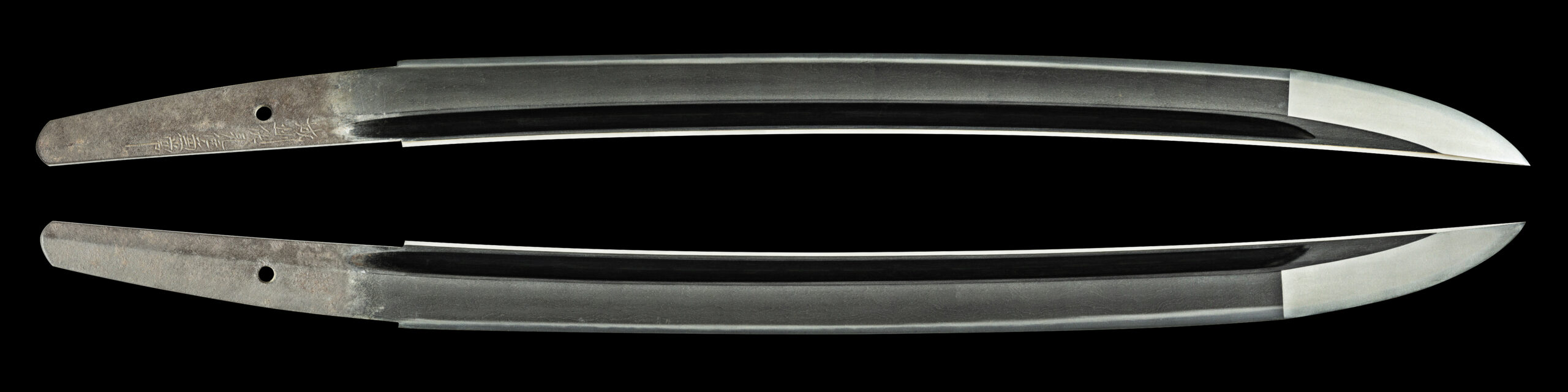
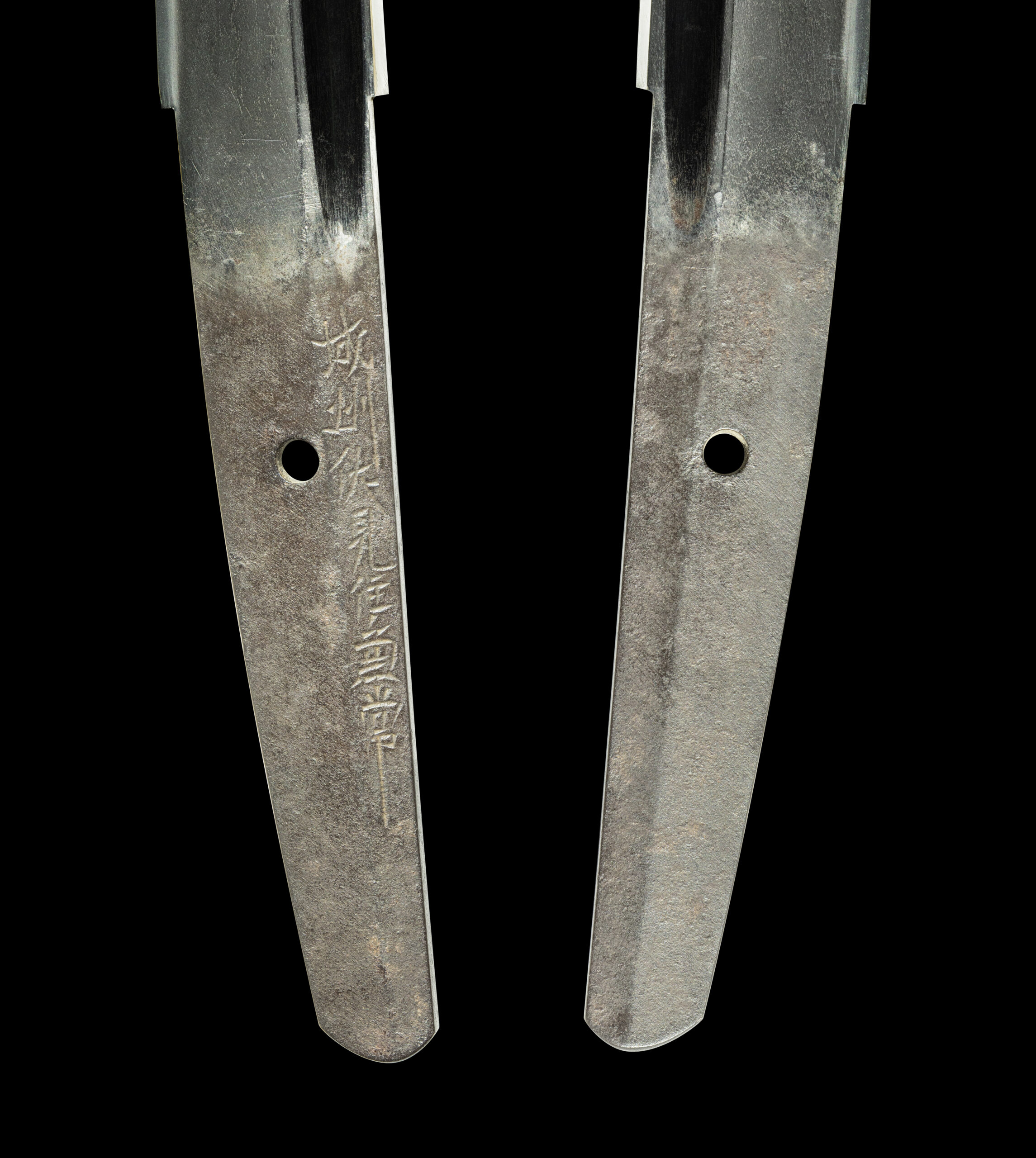
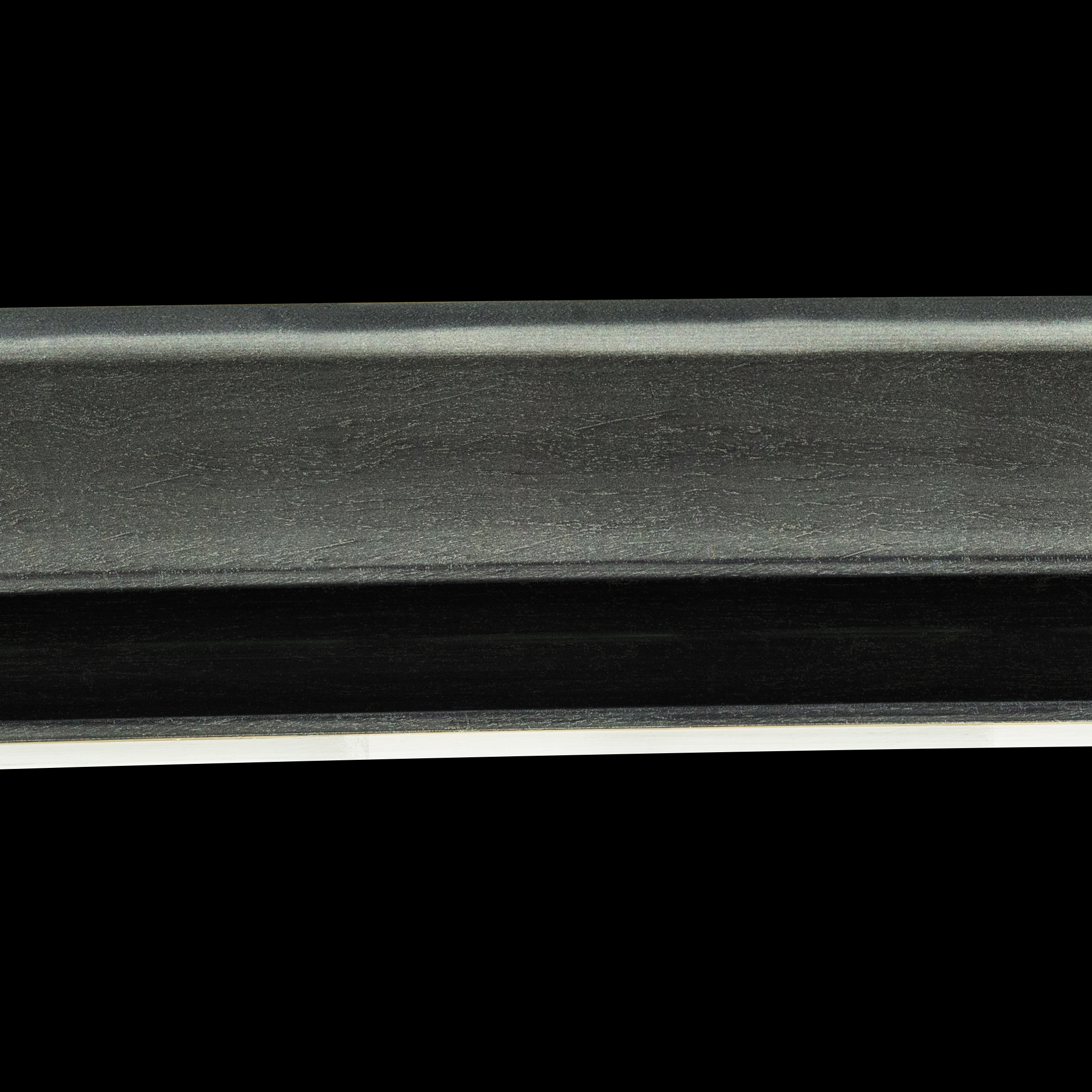
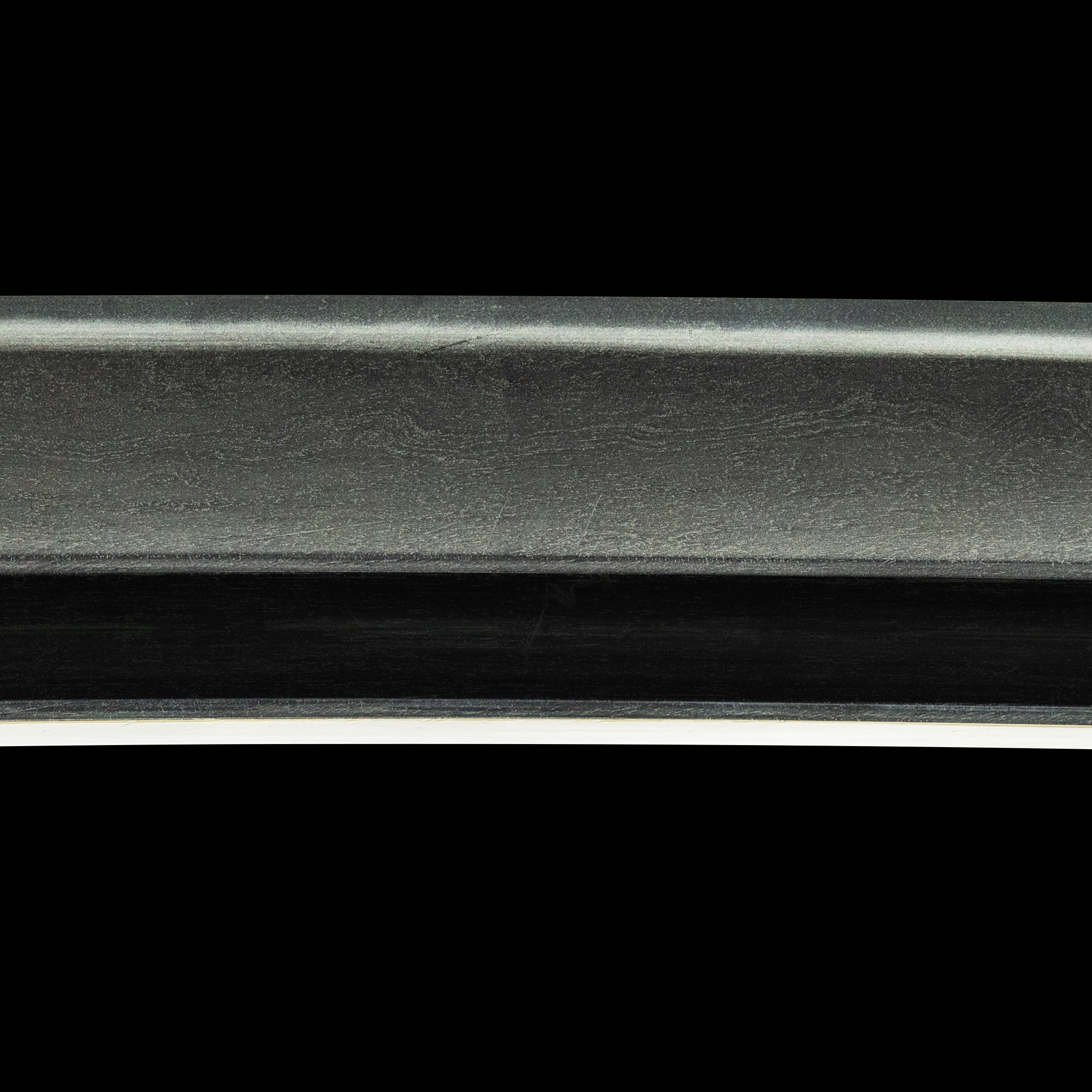
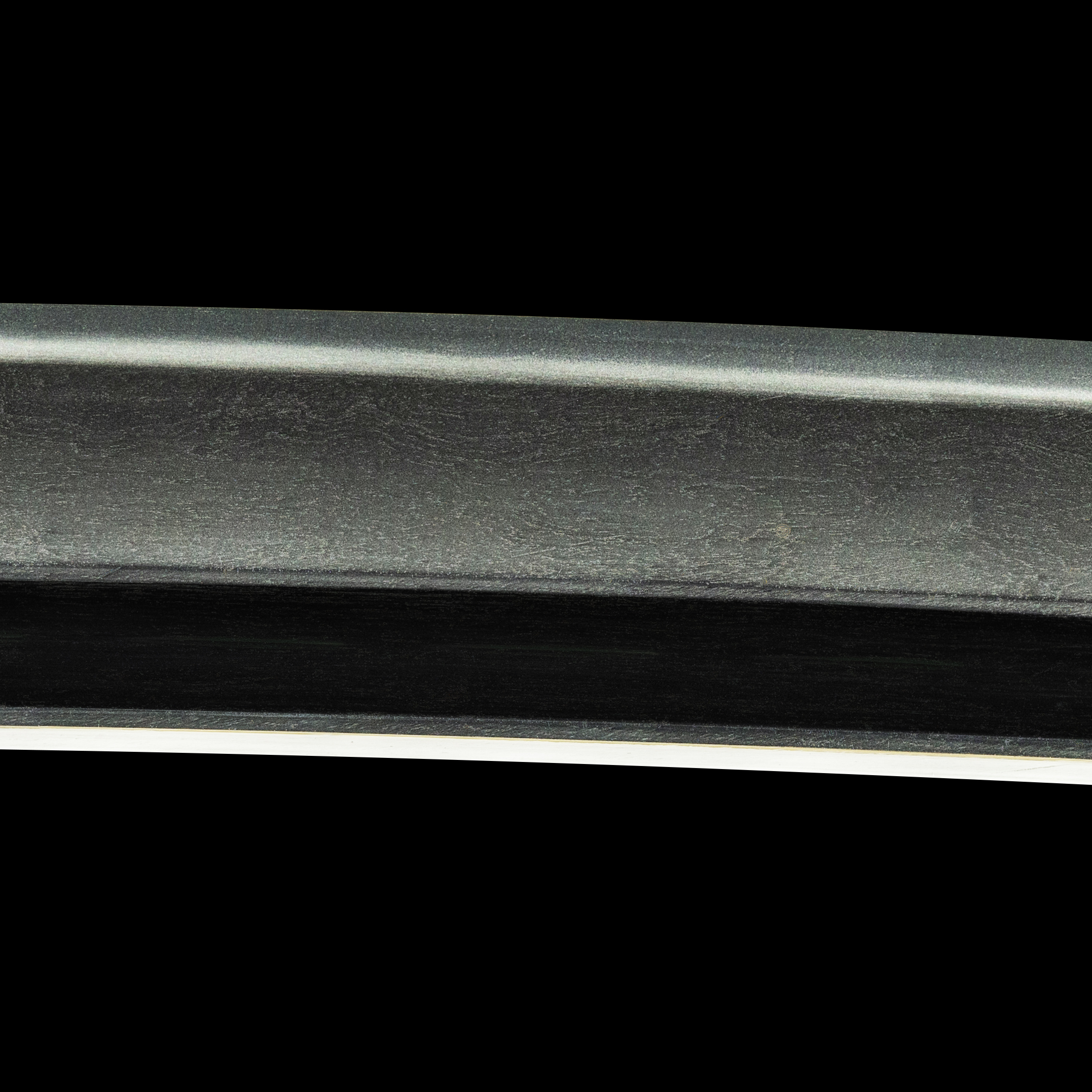
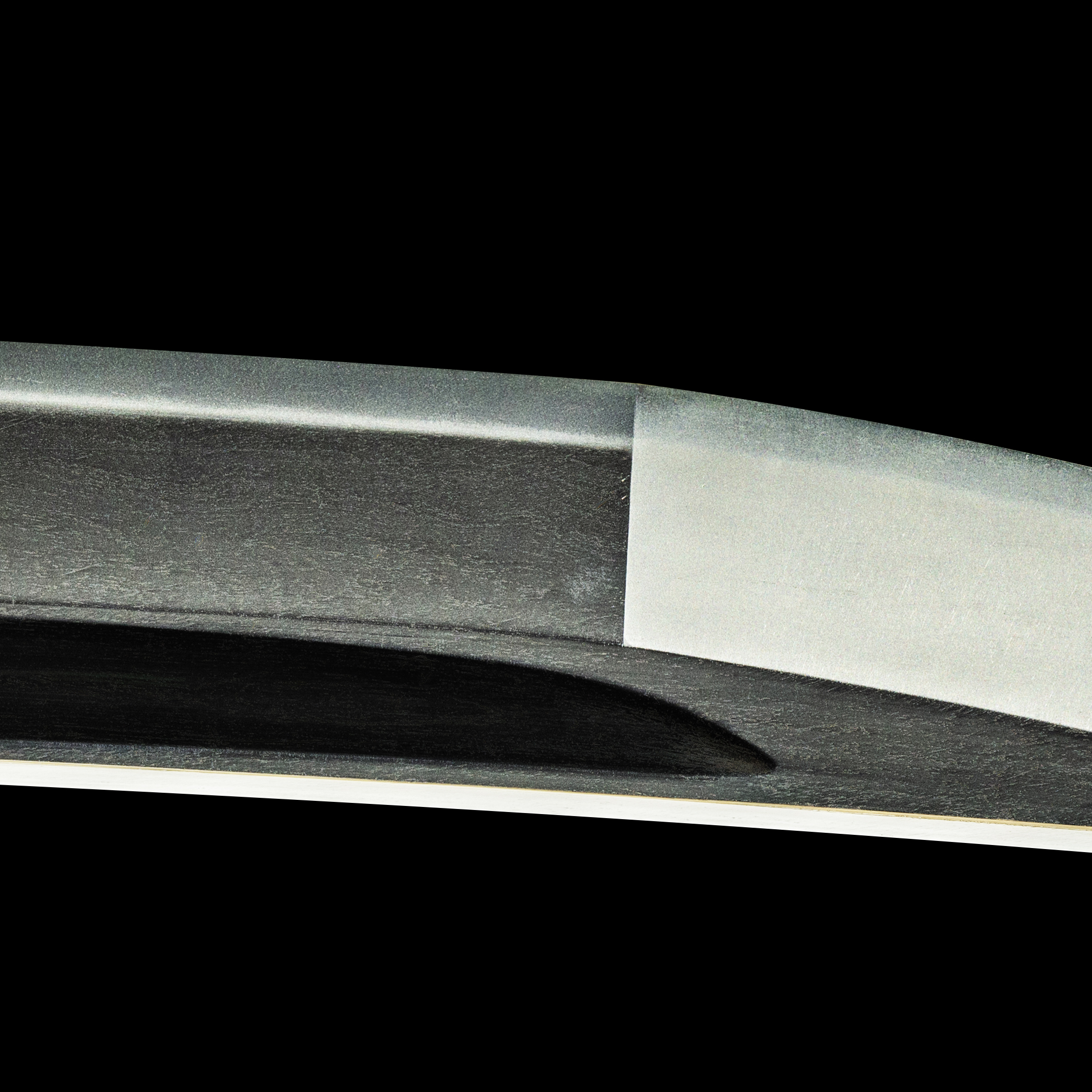
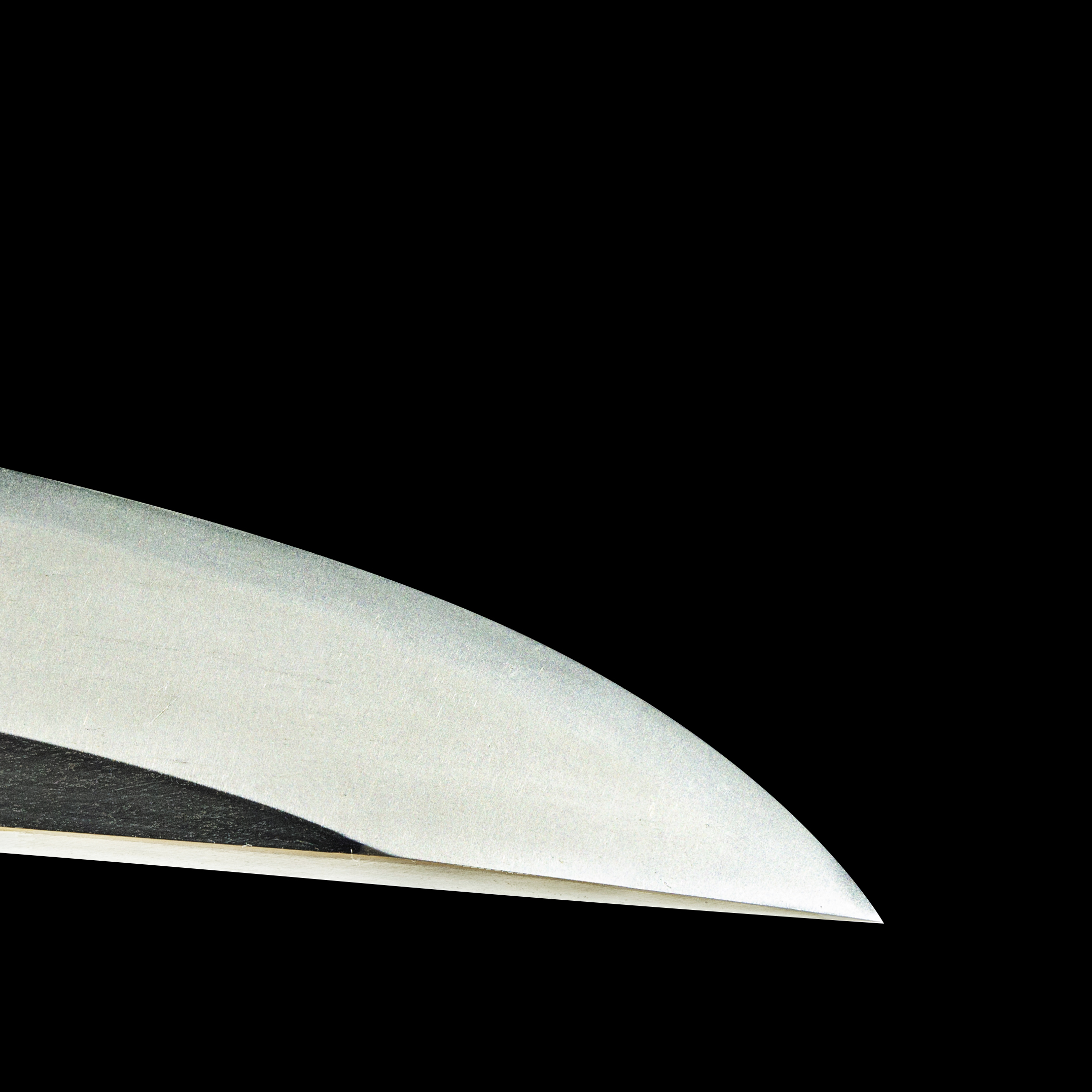
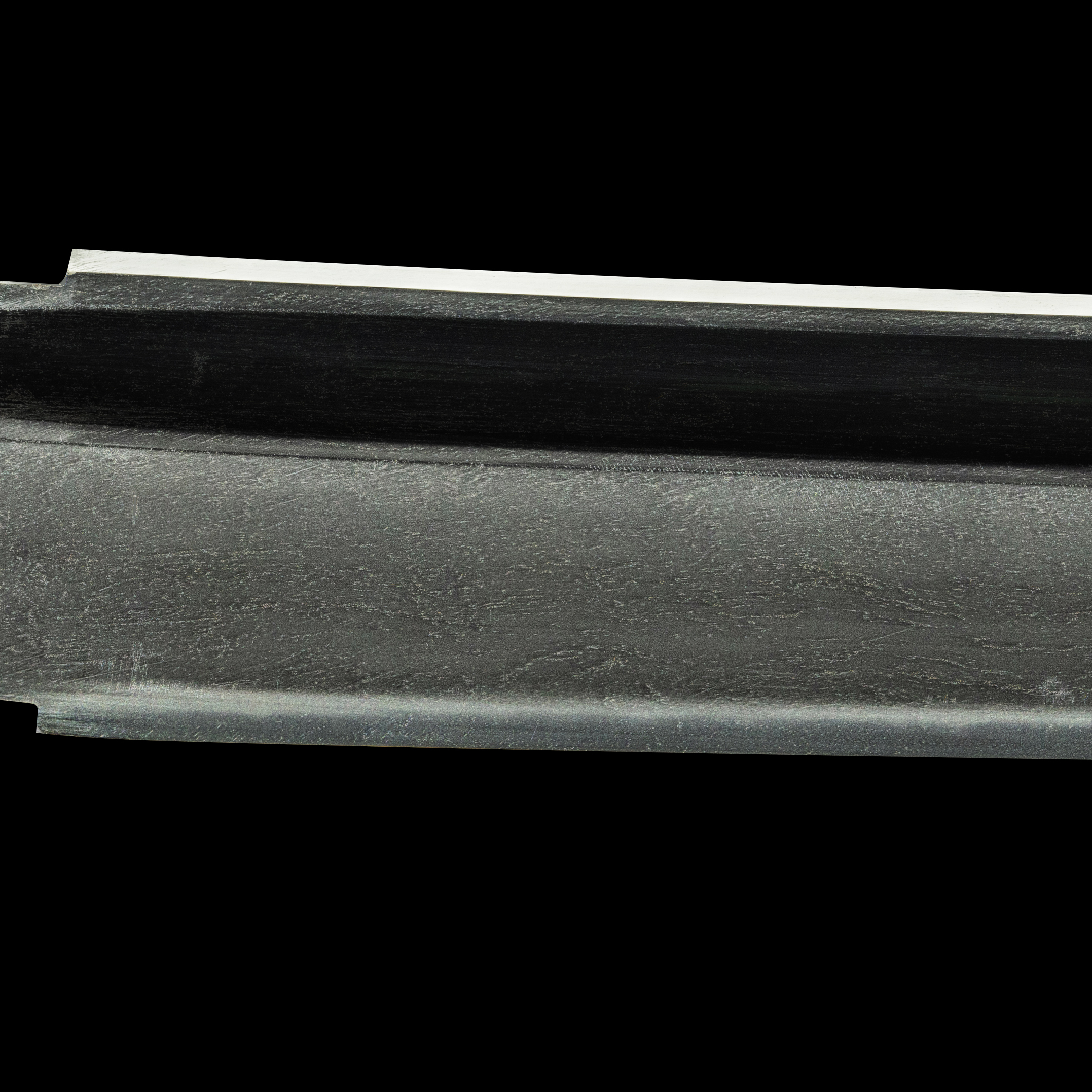
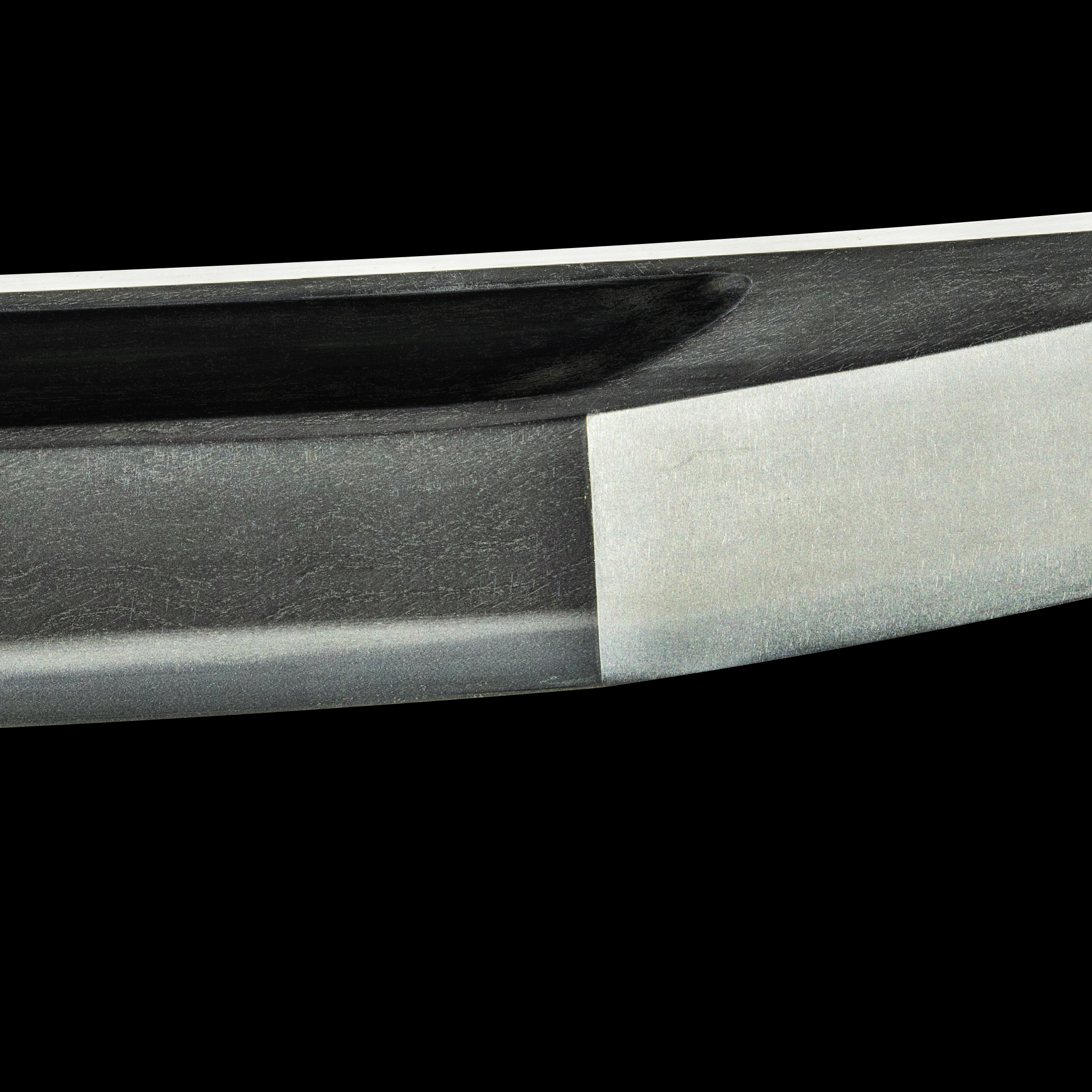
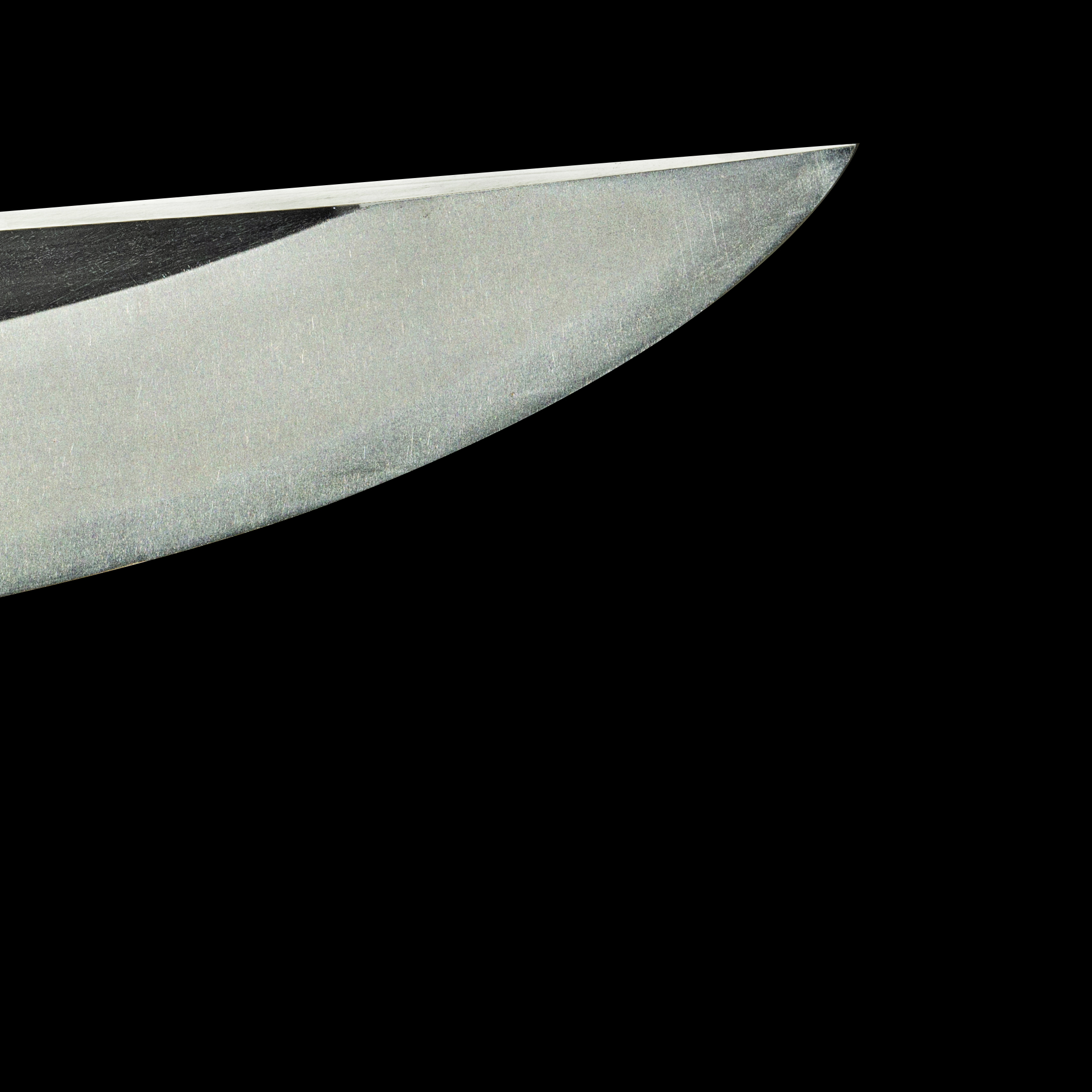
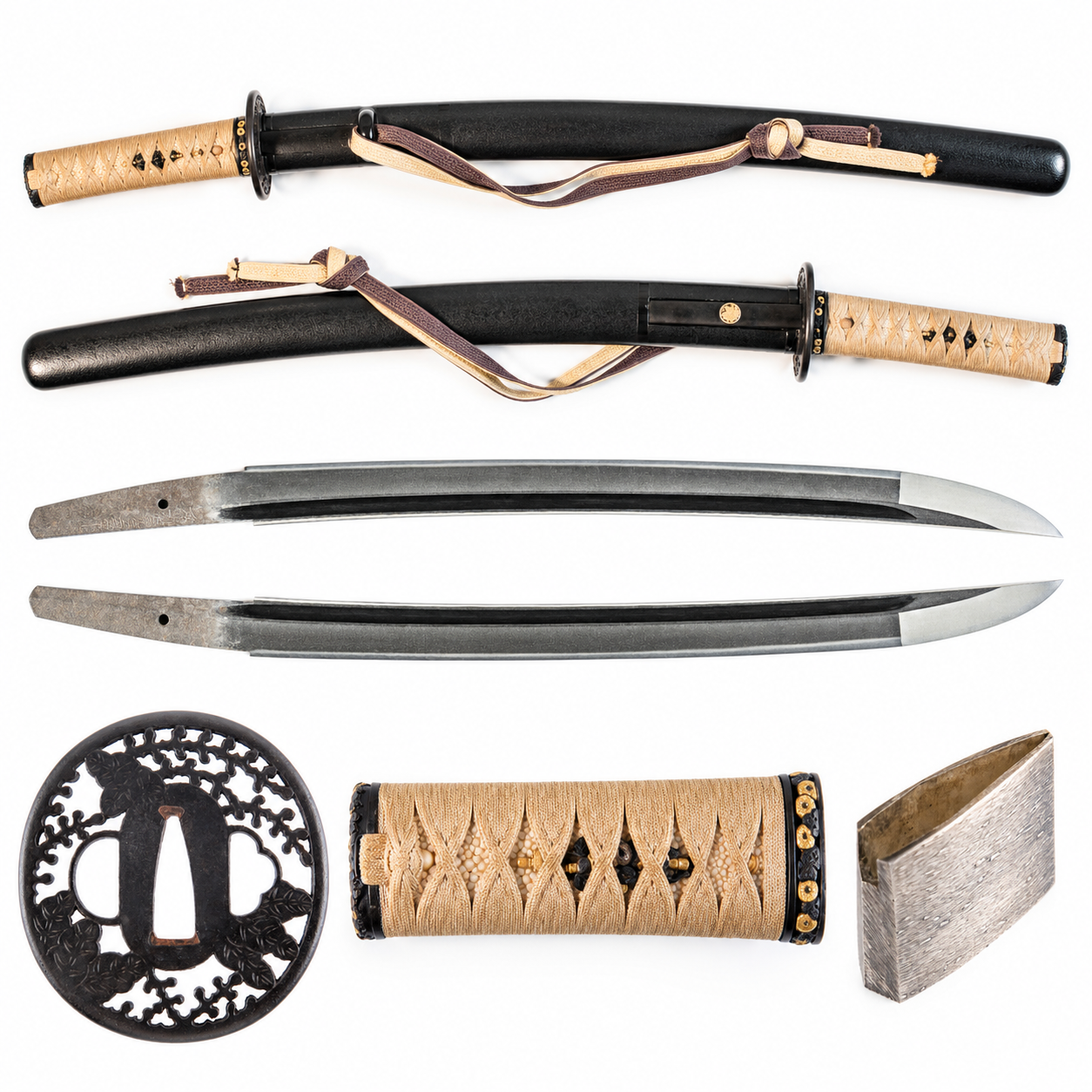
This signed Wakizashi by Kanetsune of Fushimi is accompanied by an NBTHK Hozon certificate recognizing the signature. The sword has an imposing shinogi-zukuri form with a notably long o-kissaki, giving this Wakizashi blade a powerful appearance.
Blade and Forging
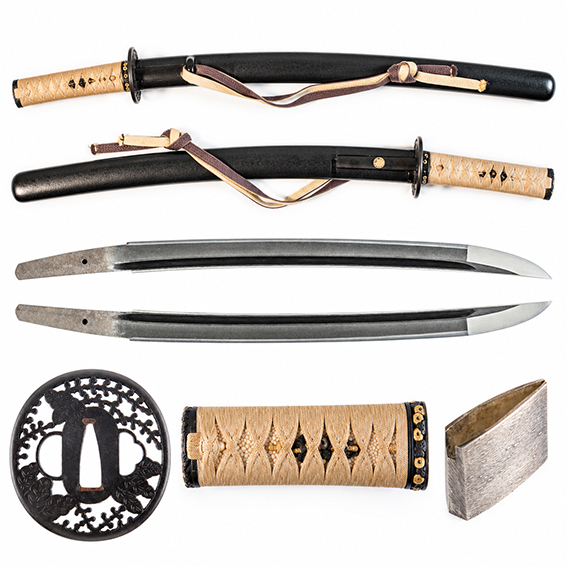
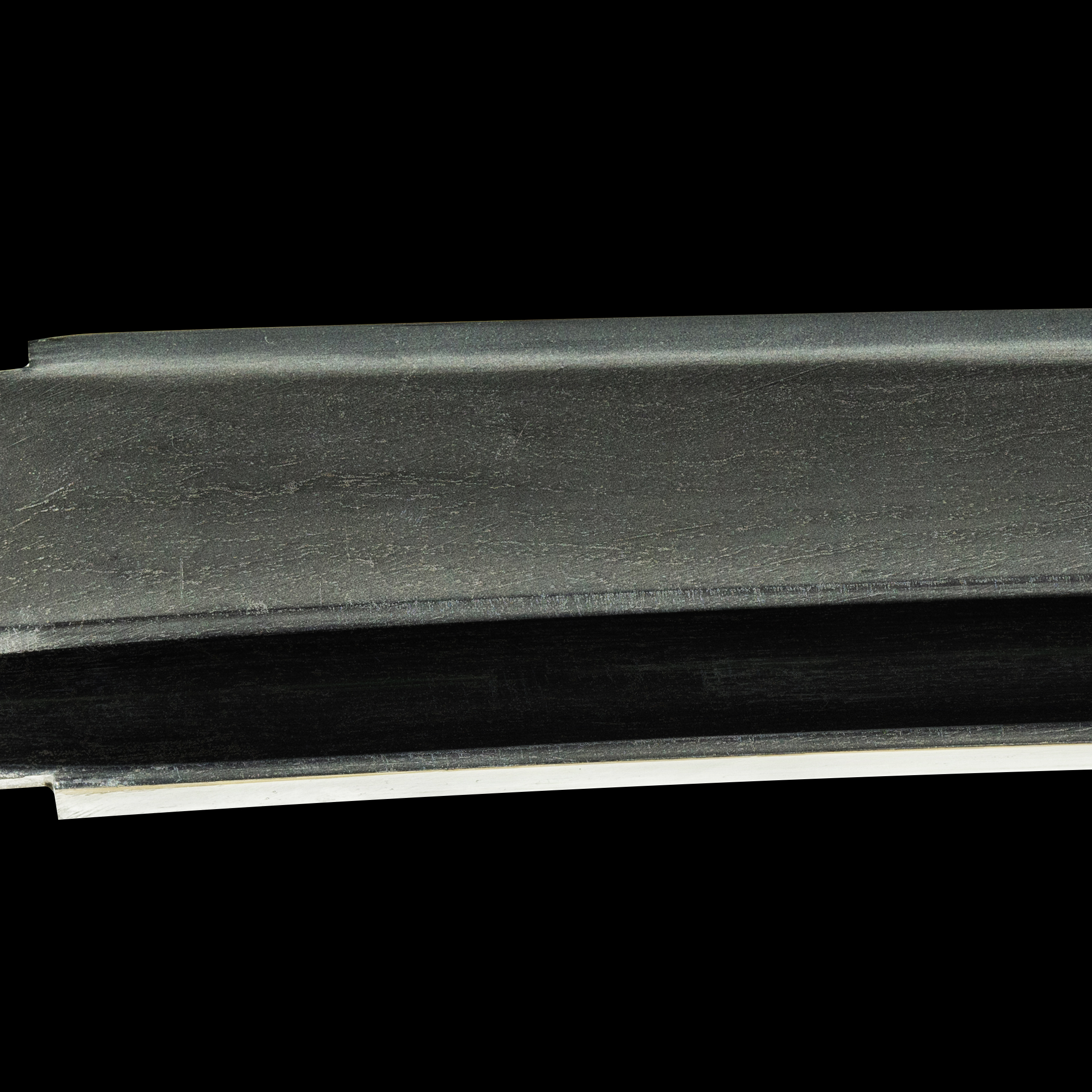
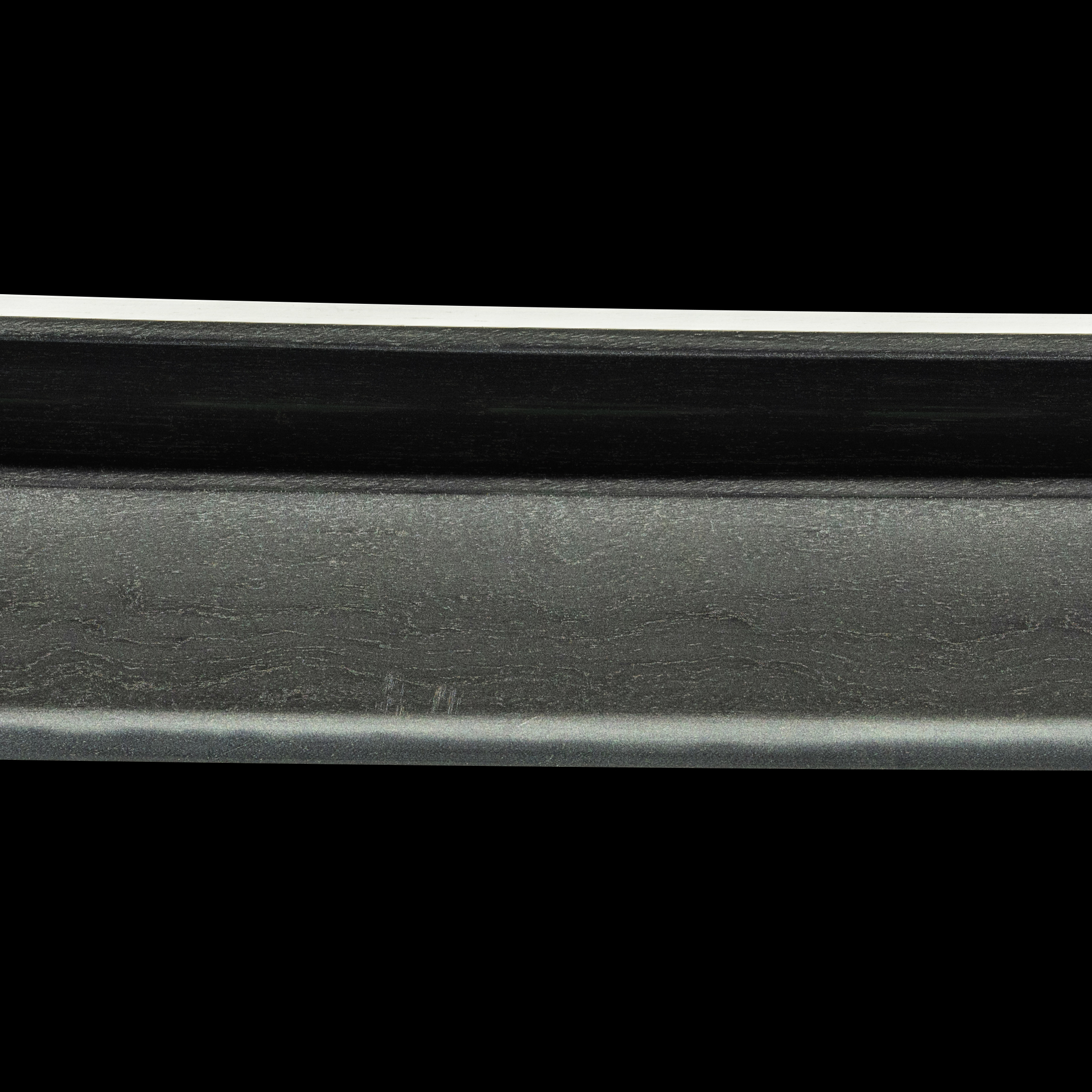
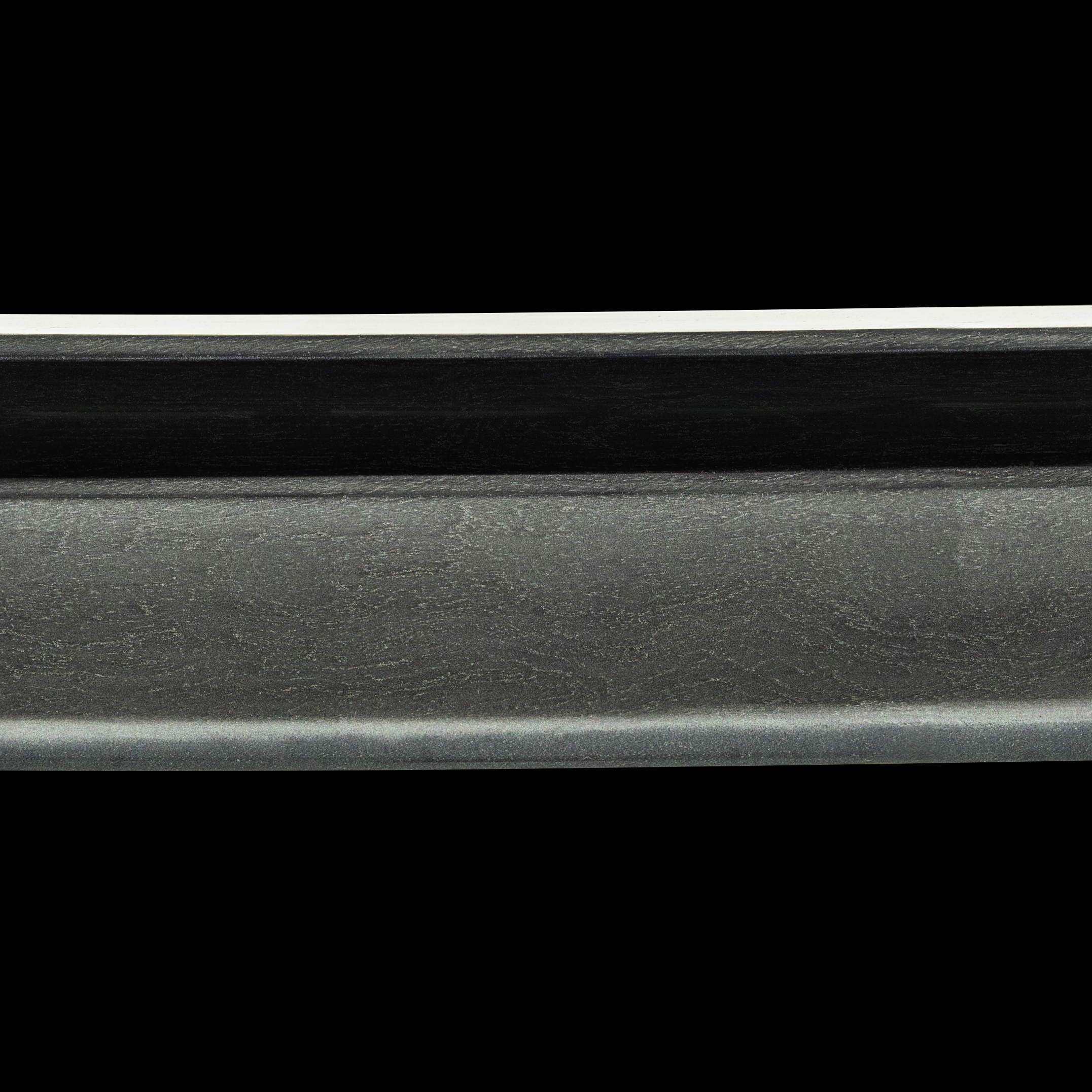
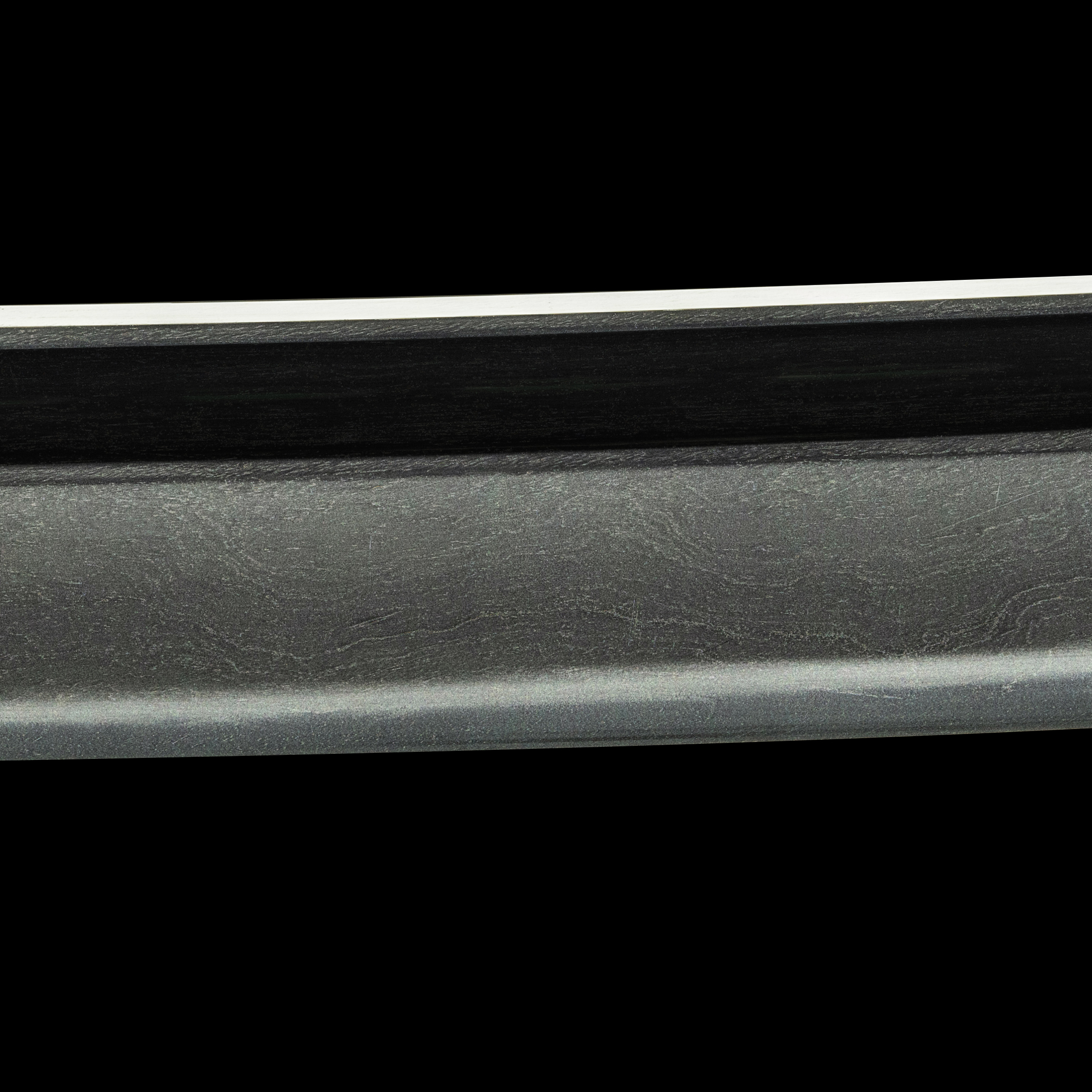
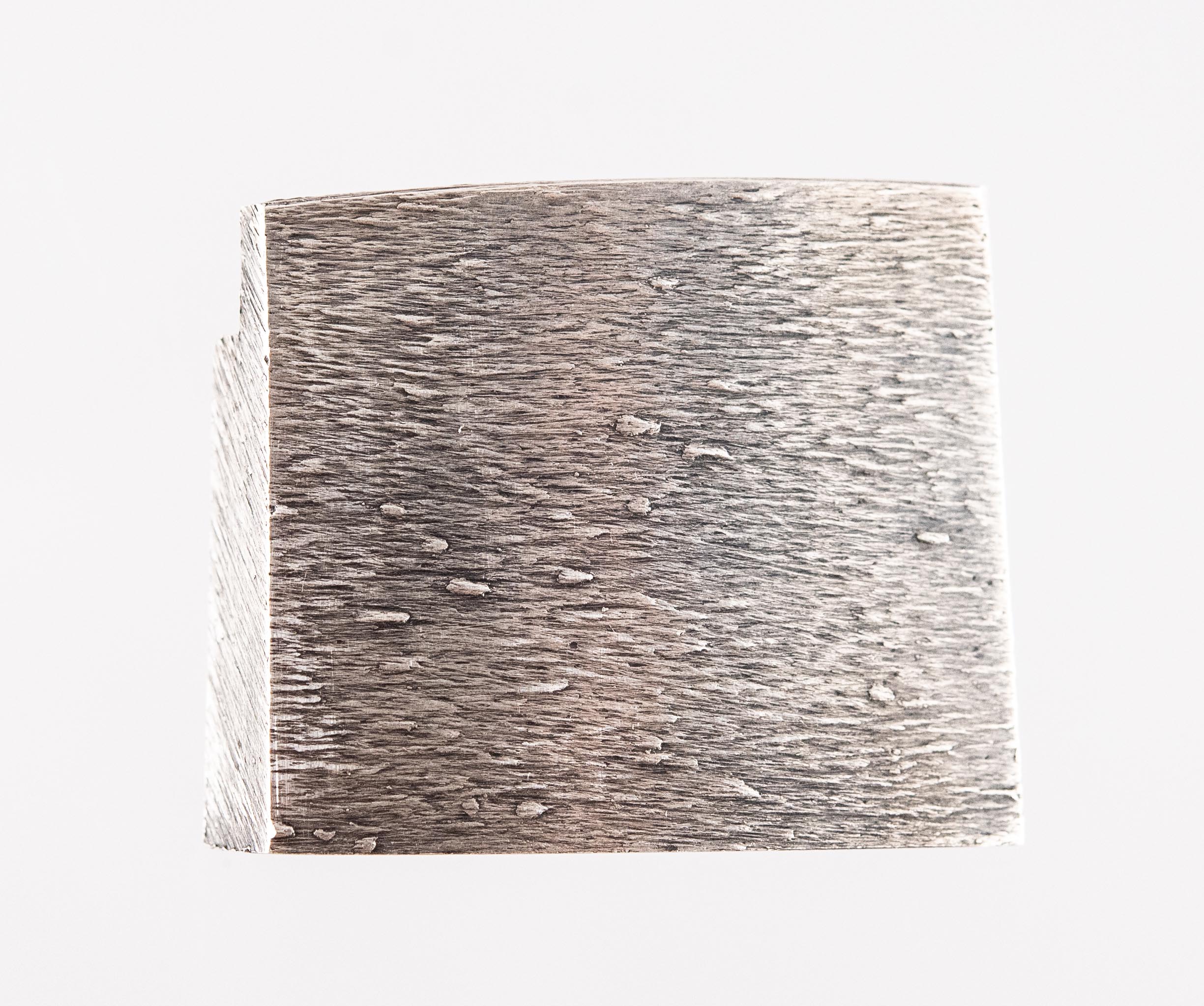
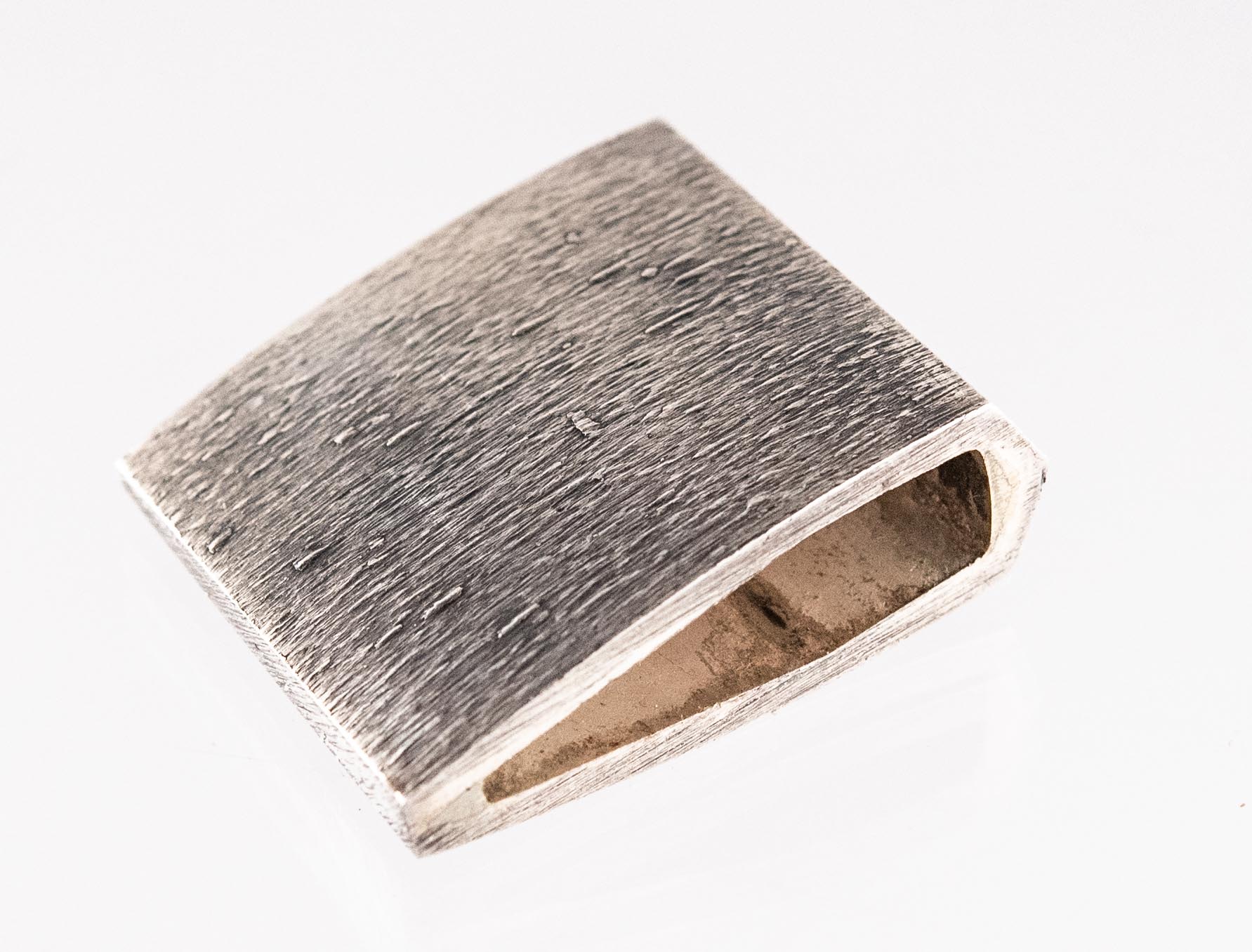
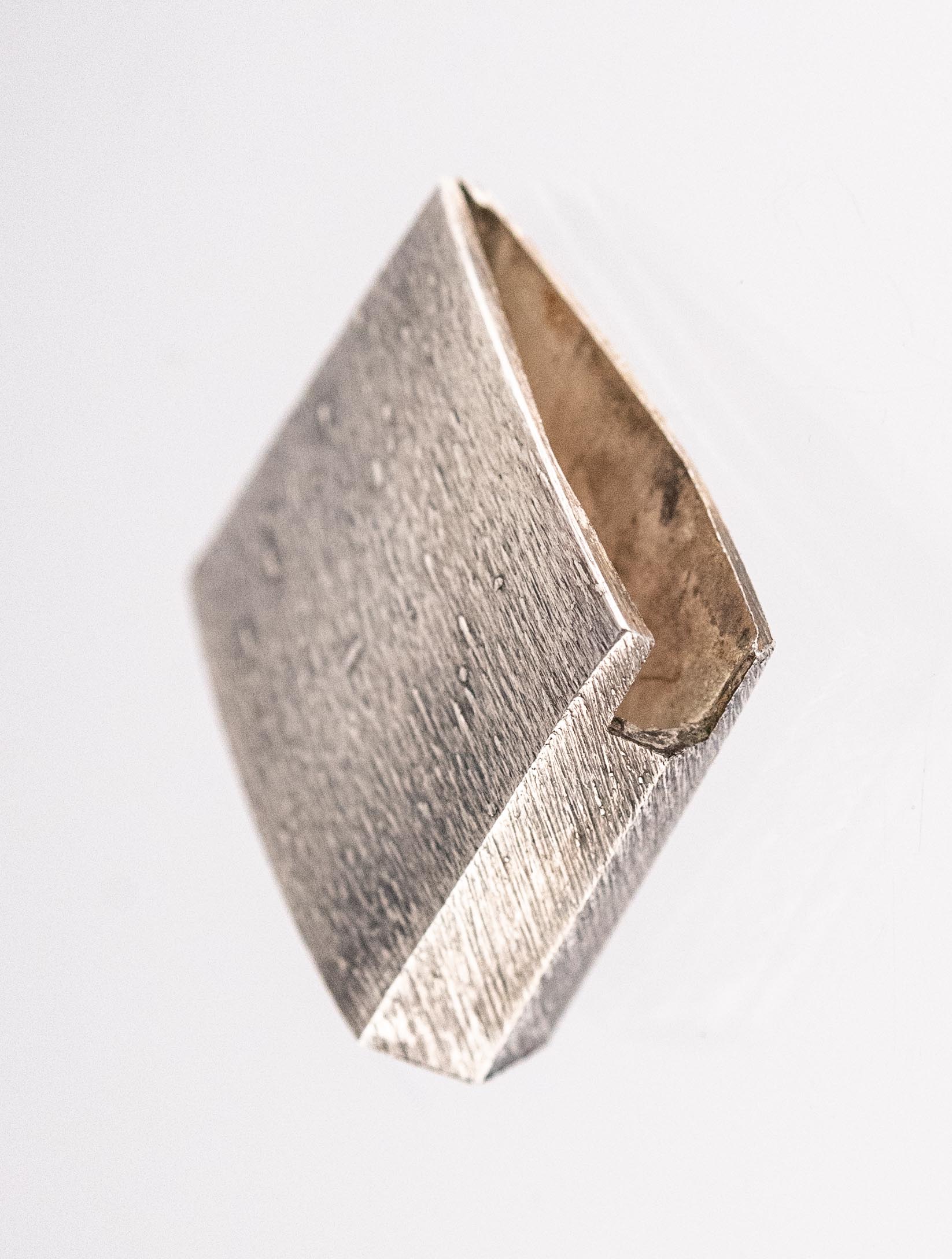
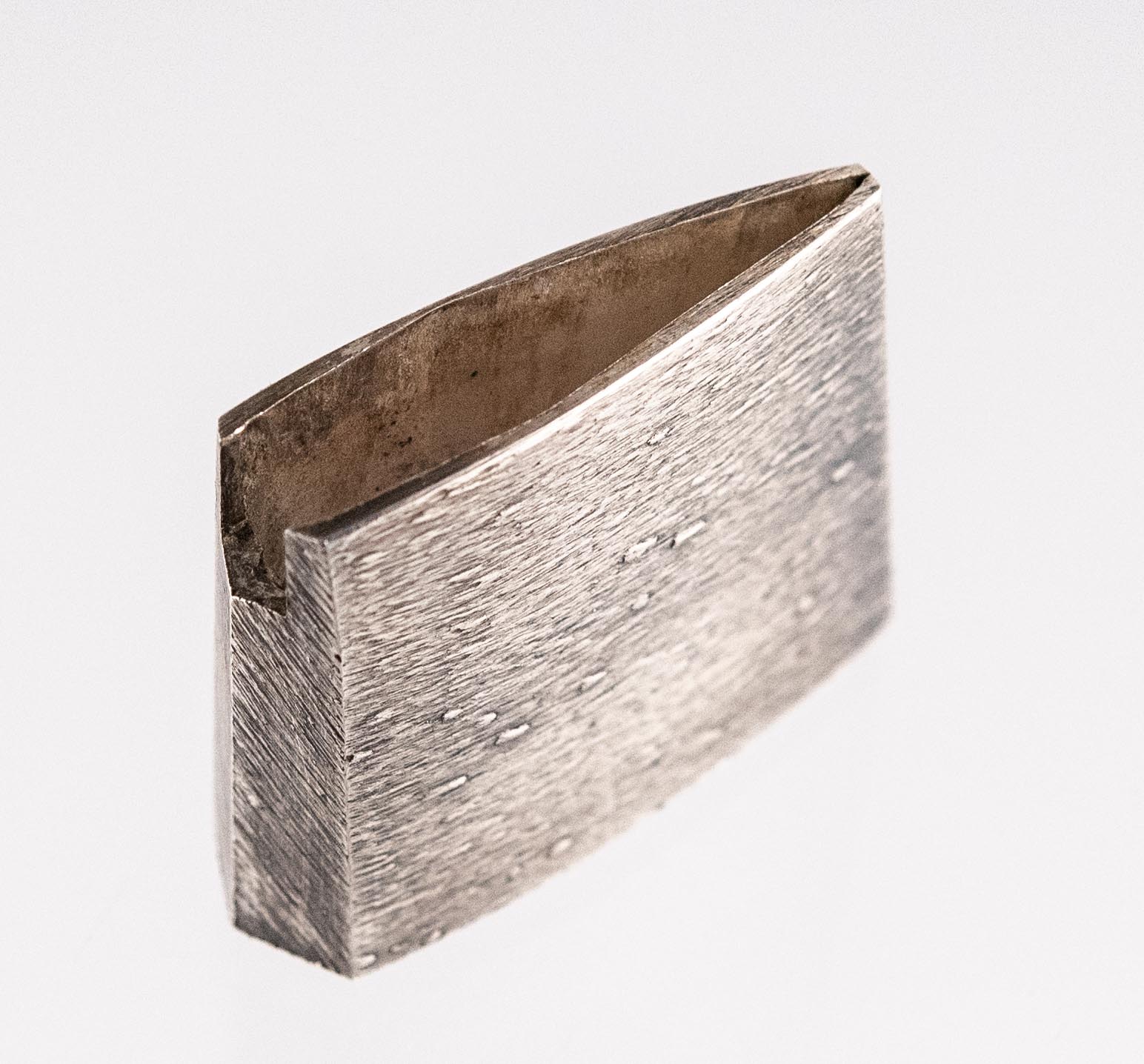
The hamon is a restrained suguha in nie-deki, with fine nie crystals visible along the temper line. The jihada is predominantly itame with flowing nagare elements; some areas recall the rhythm of ayasugi. A solid silver habaki completes the blade.
Shirasaya and Koshirae
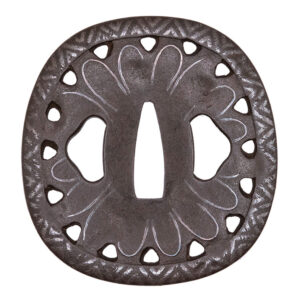
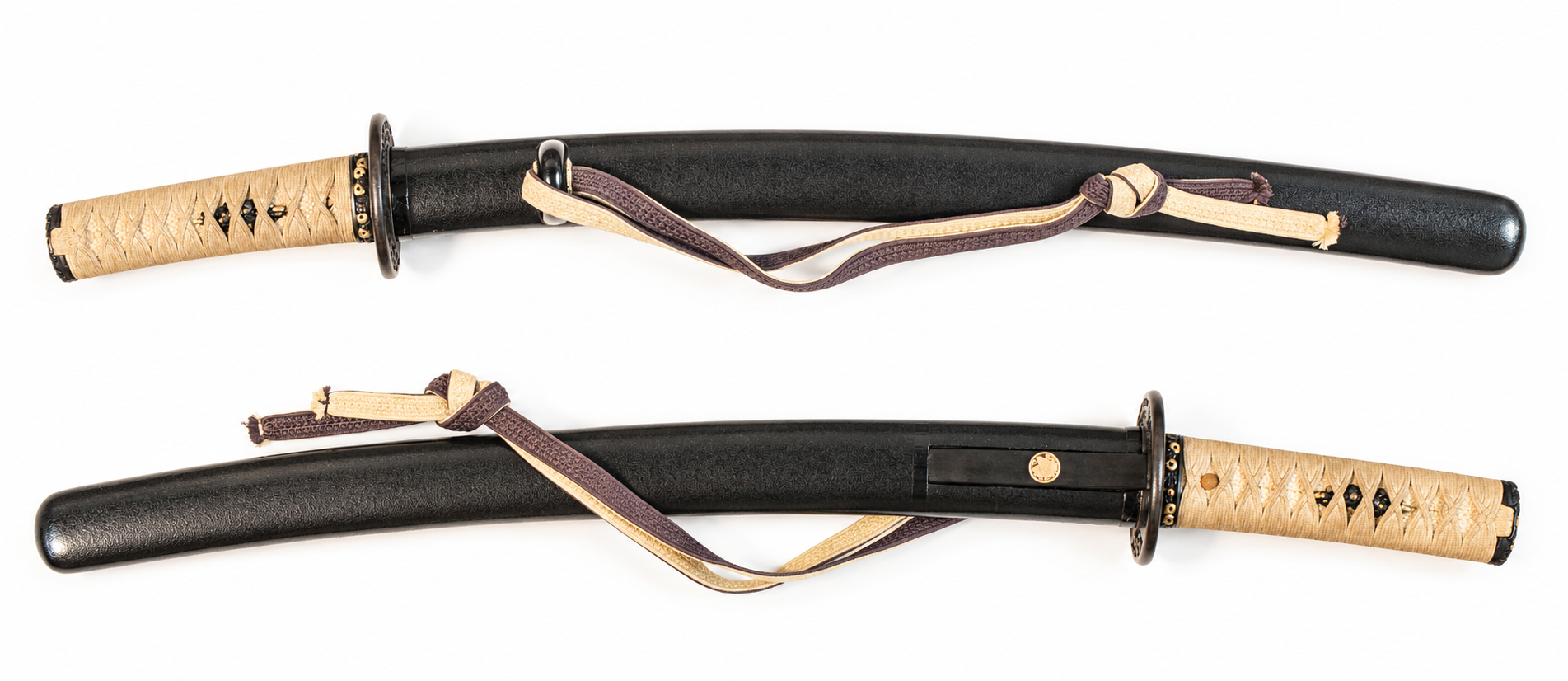
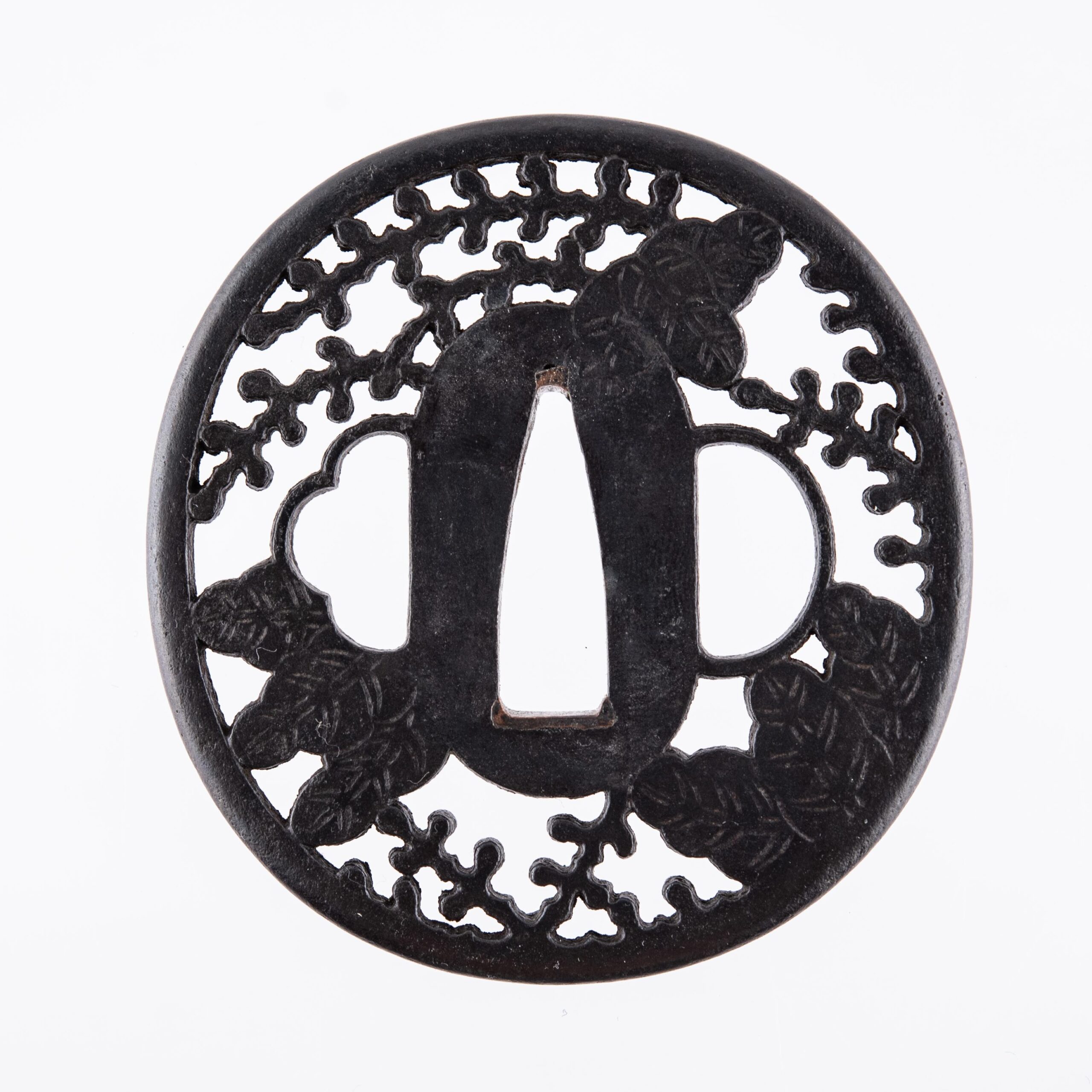
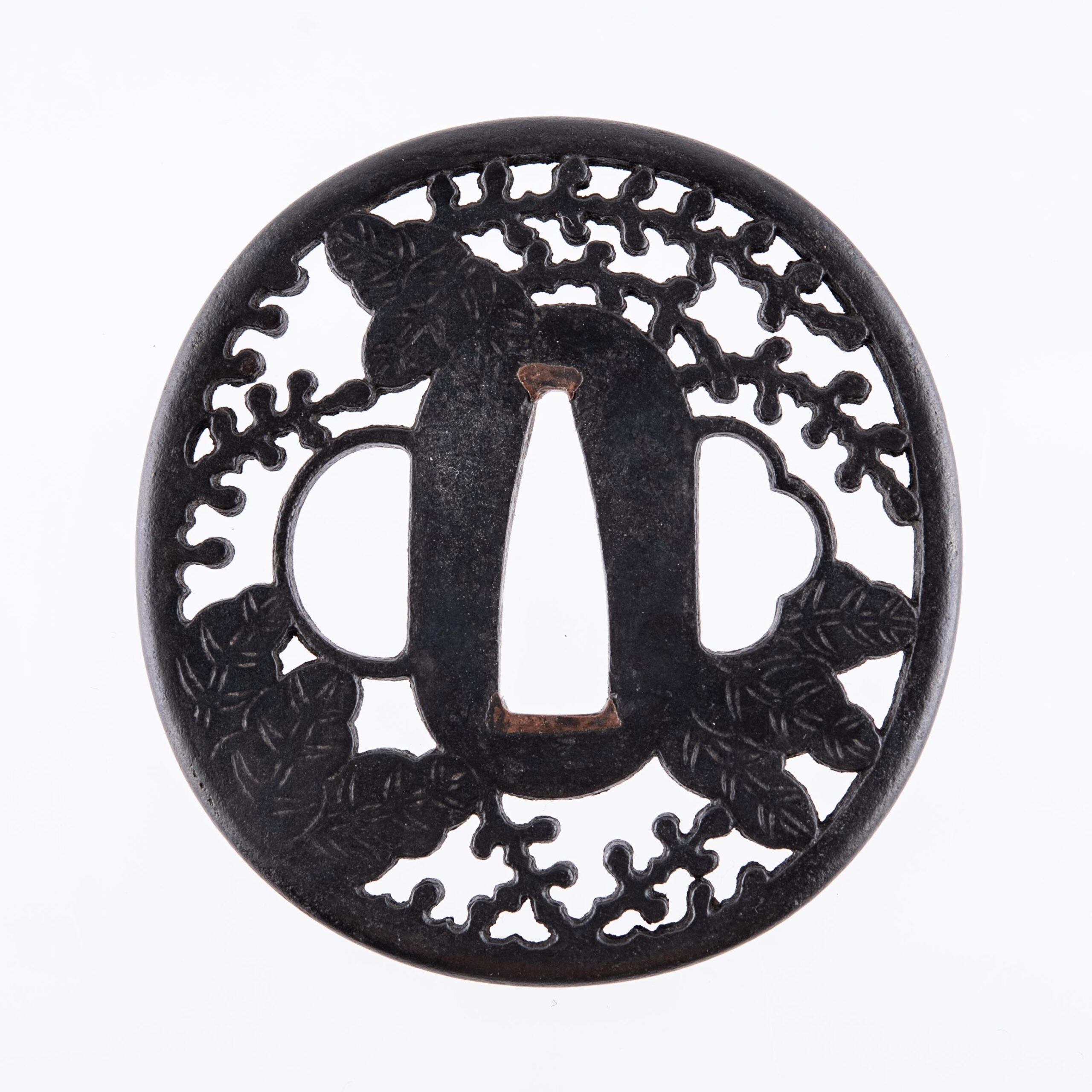
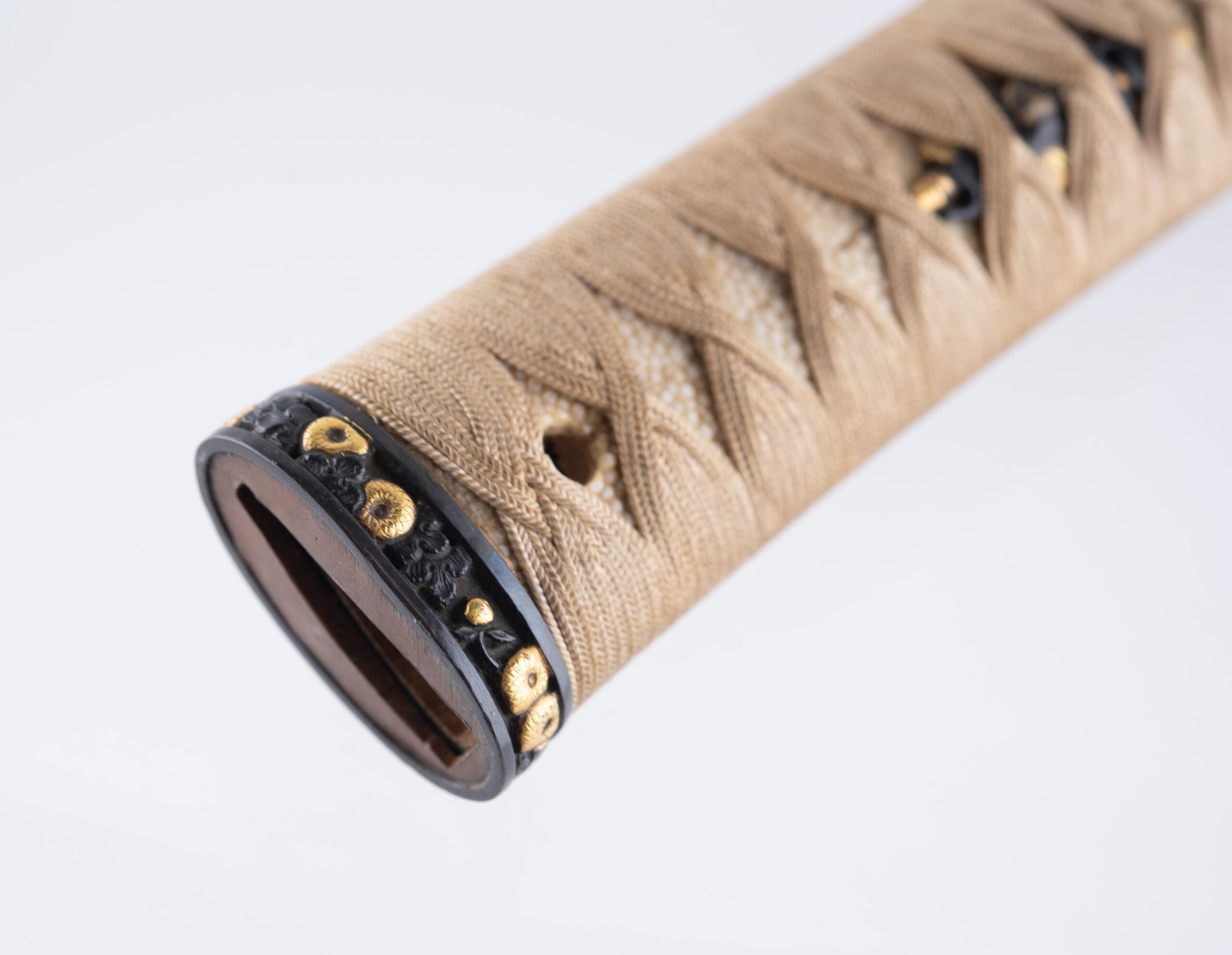
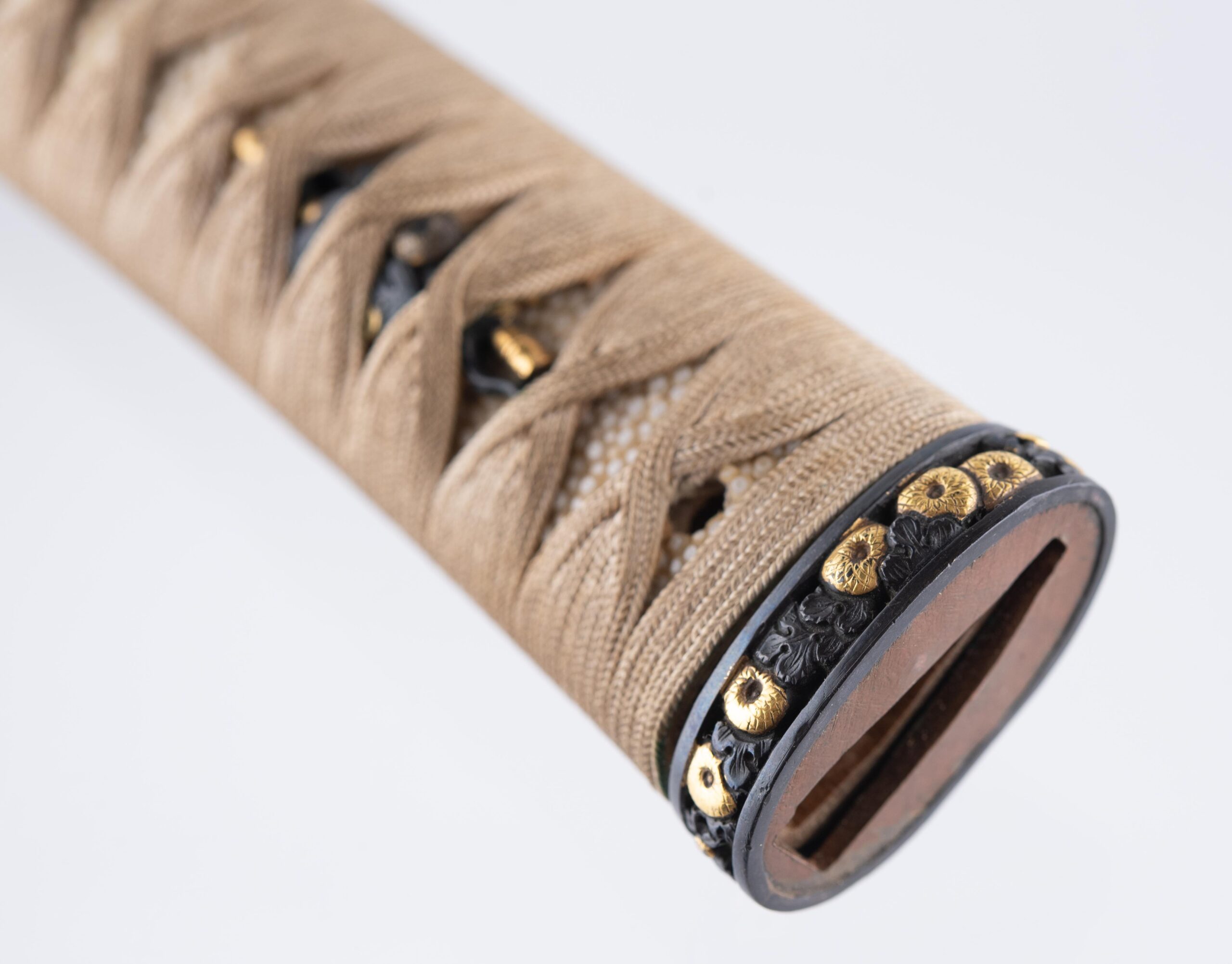
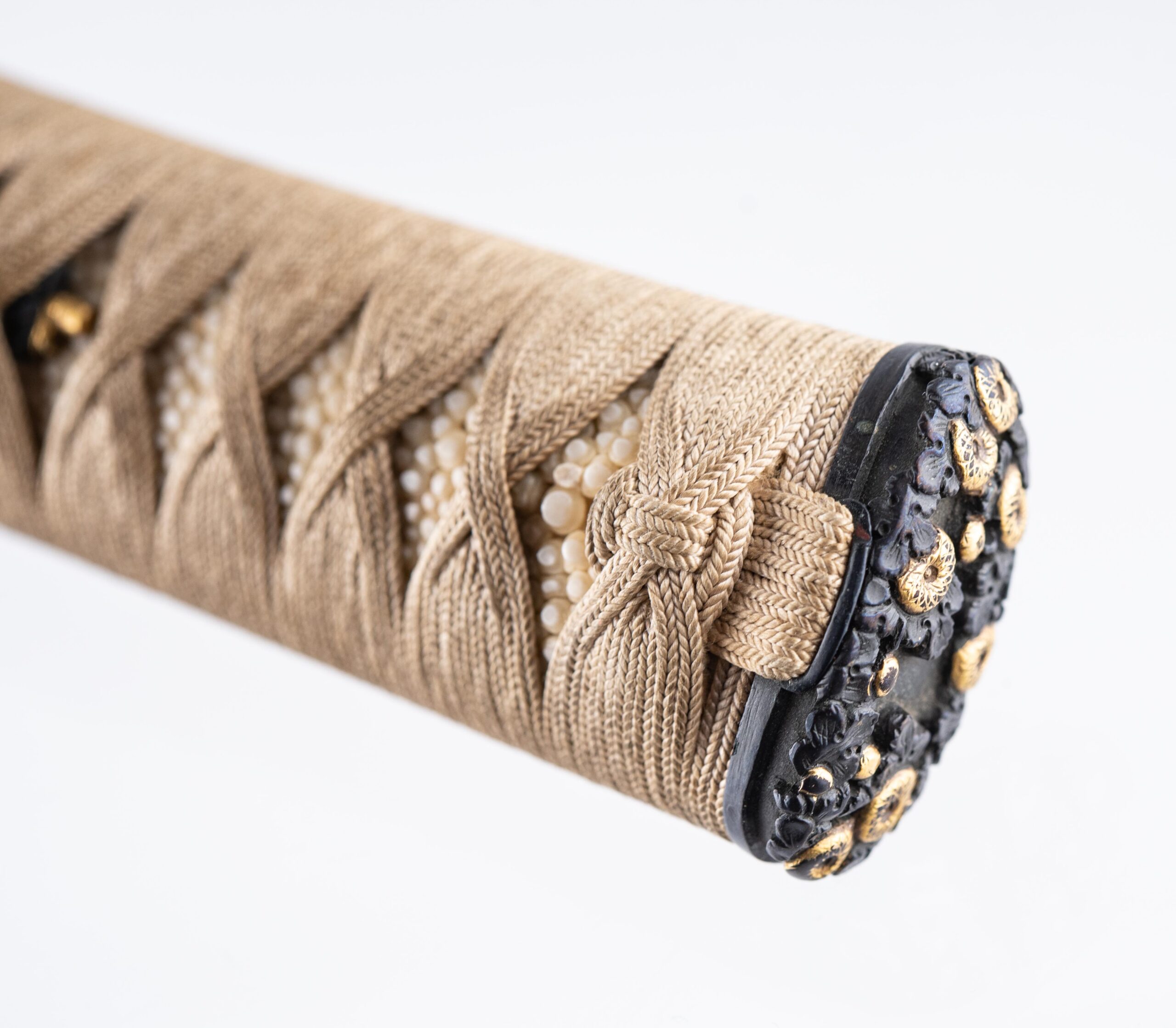
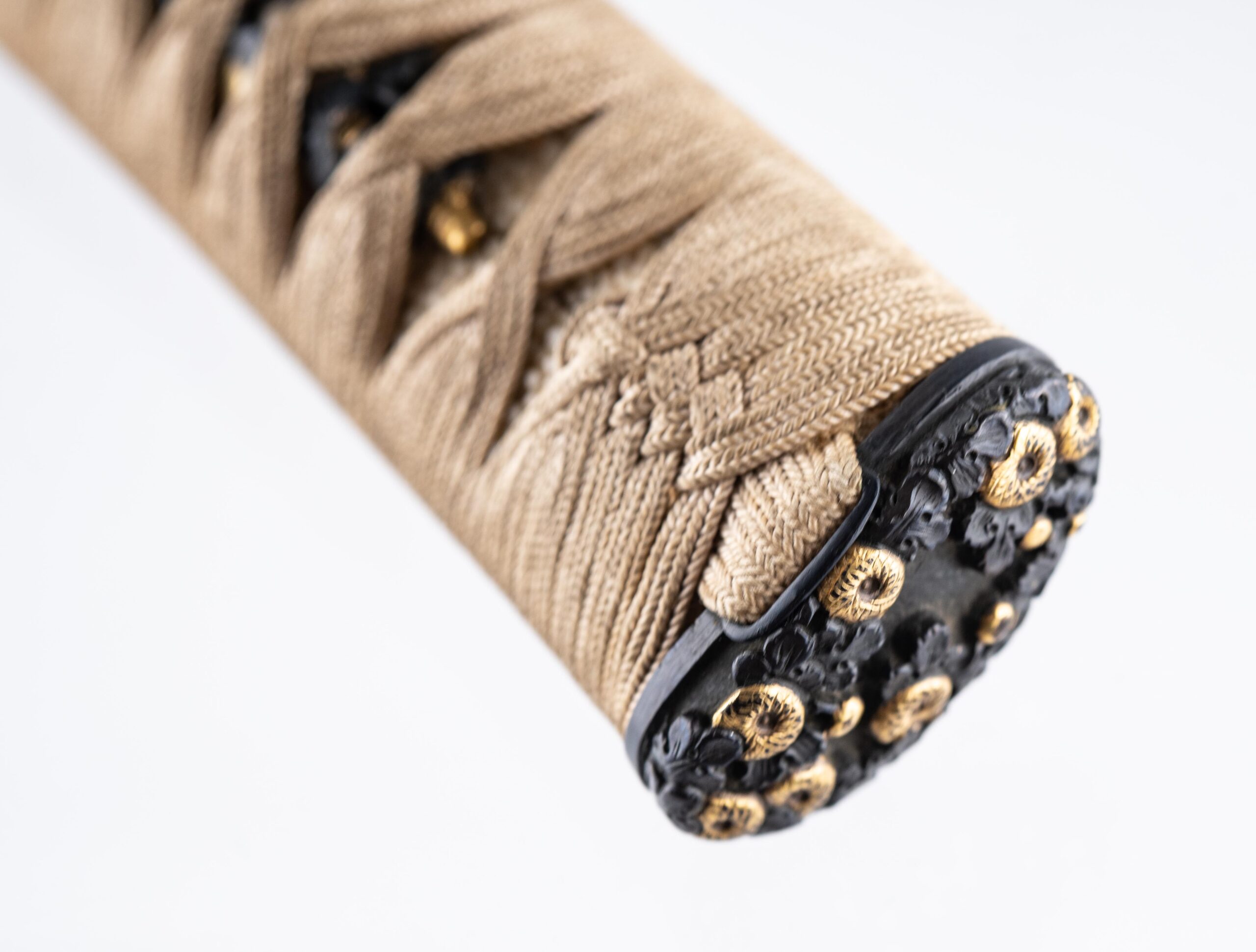
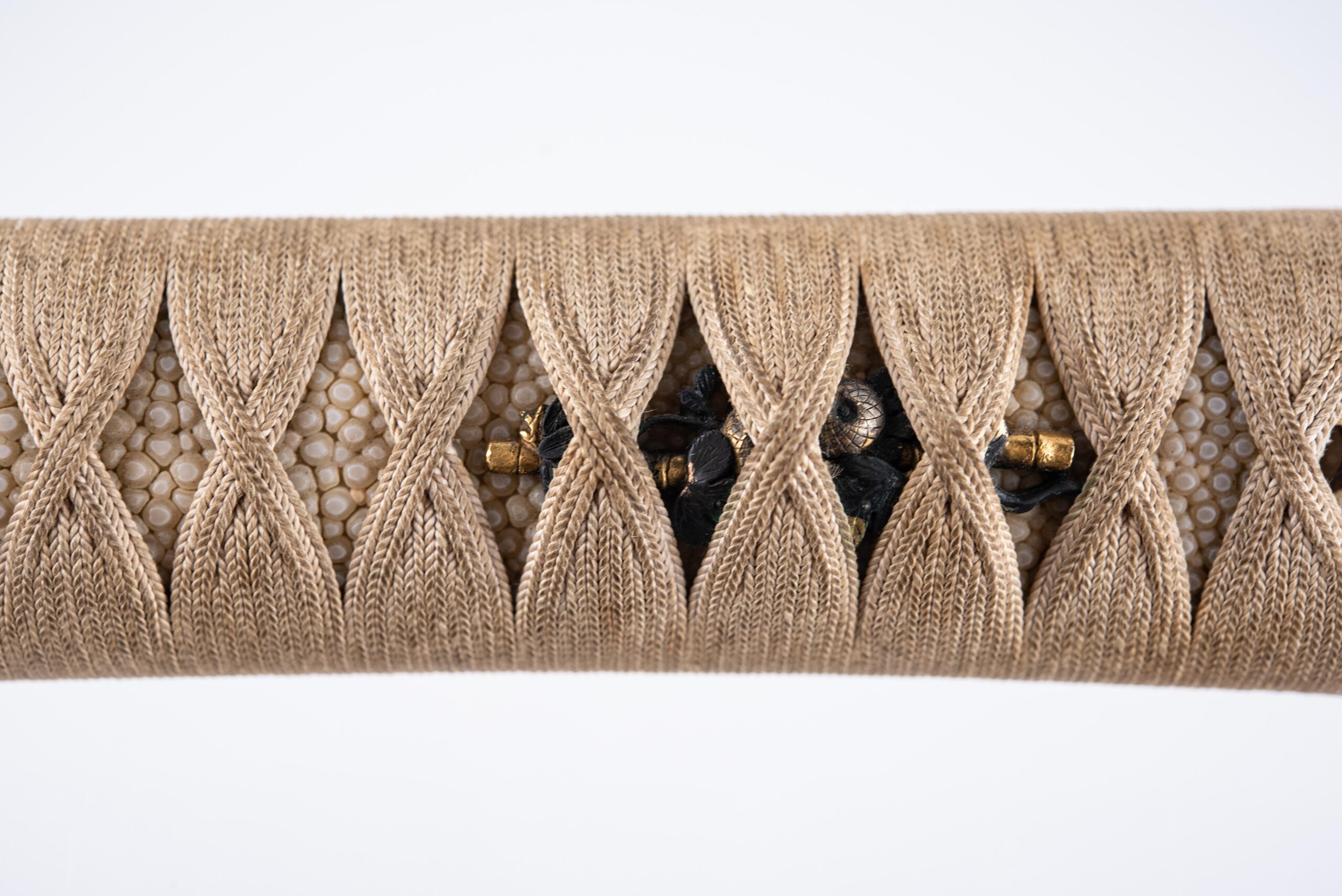
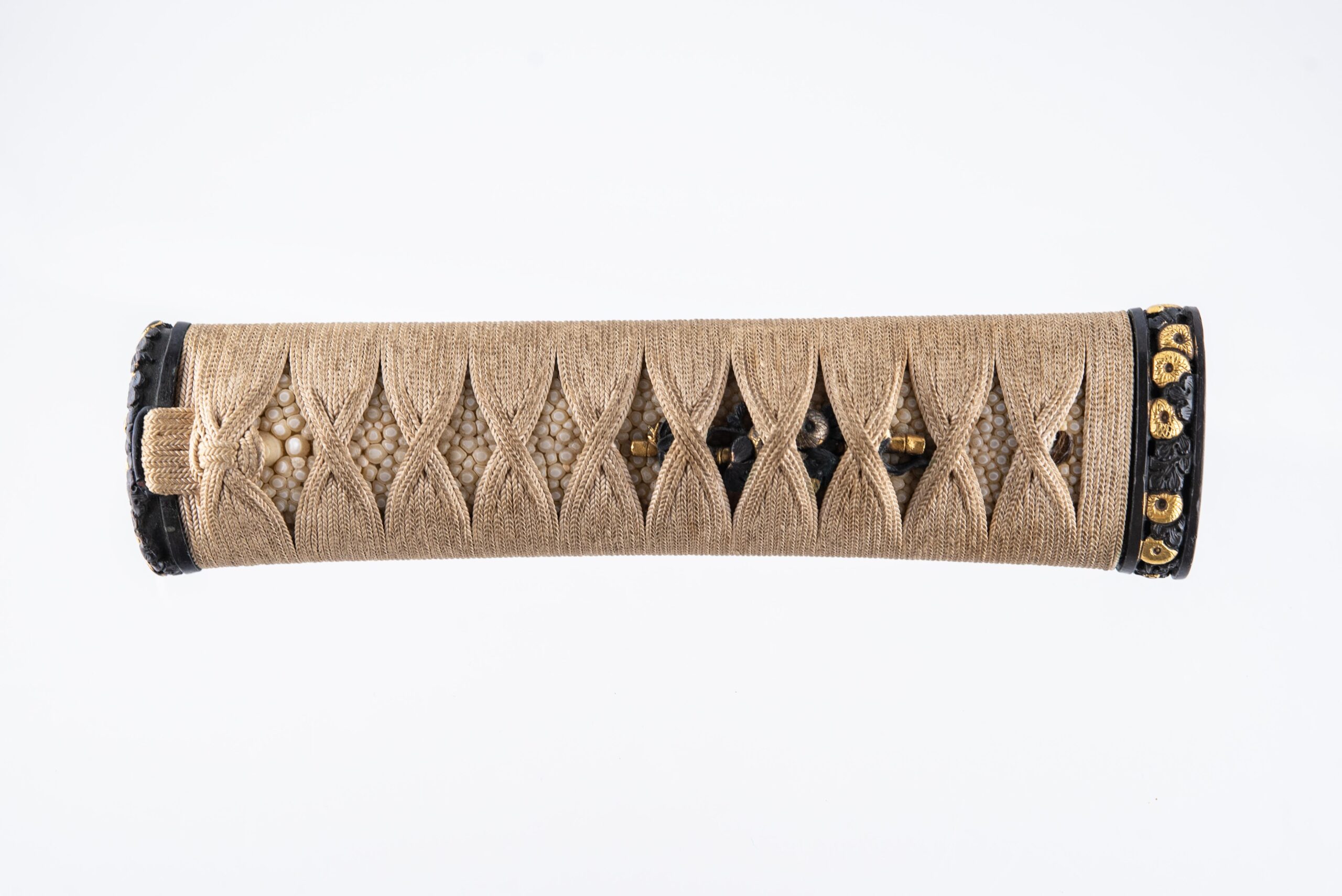
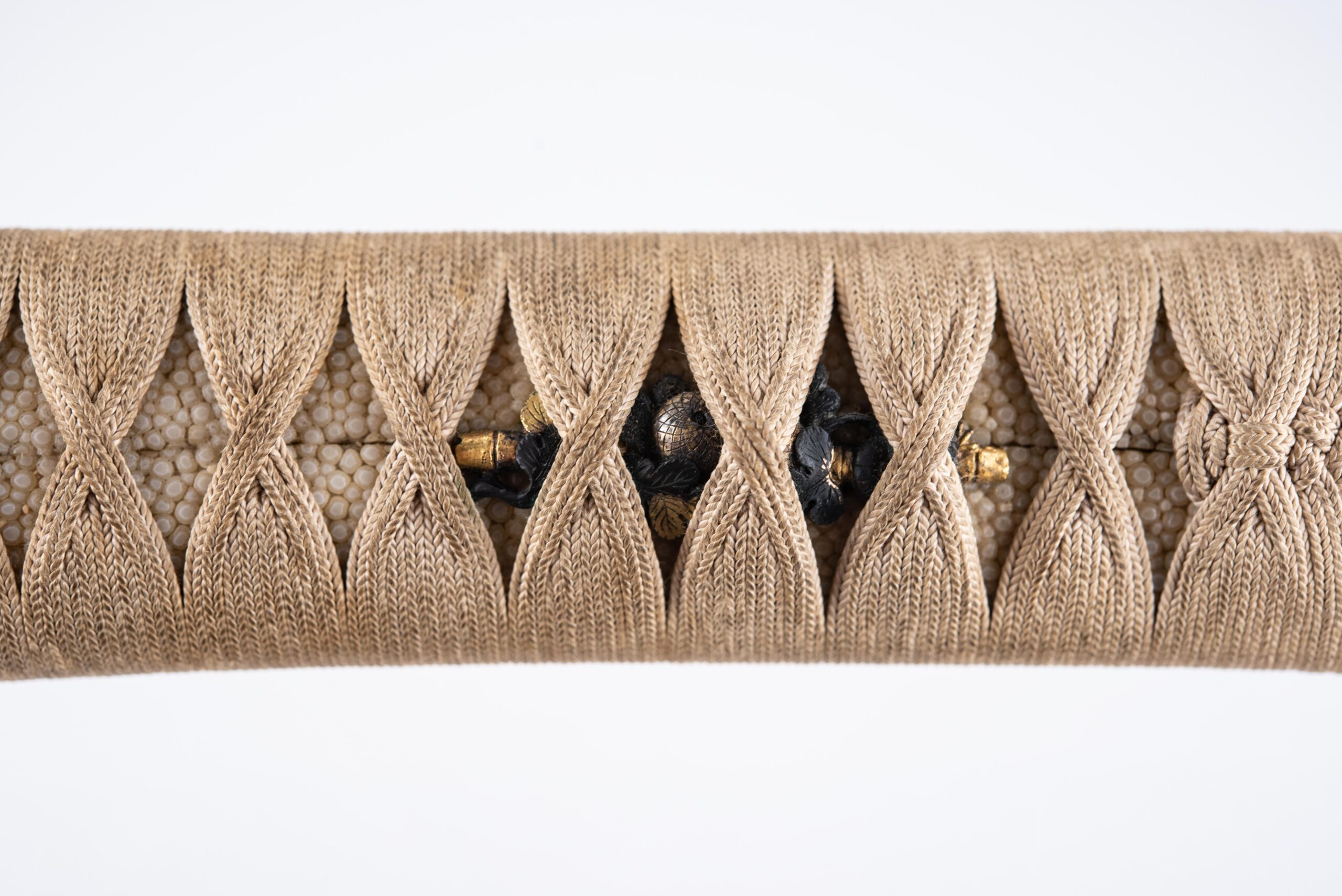
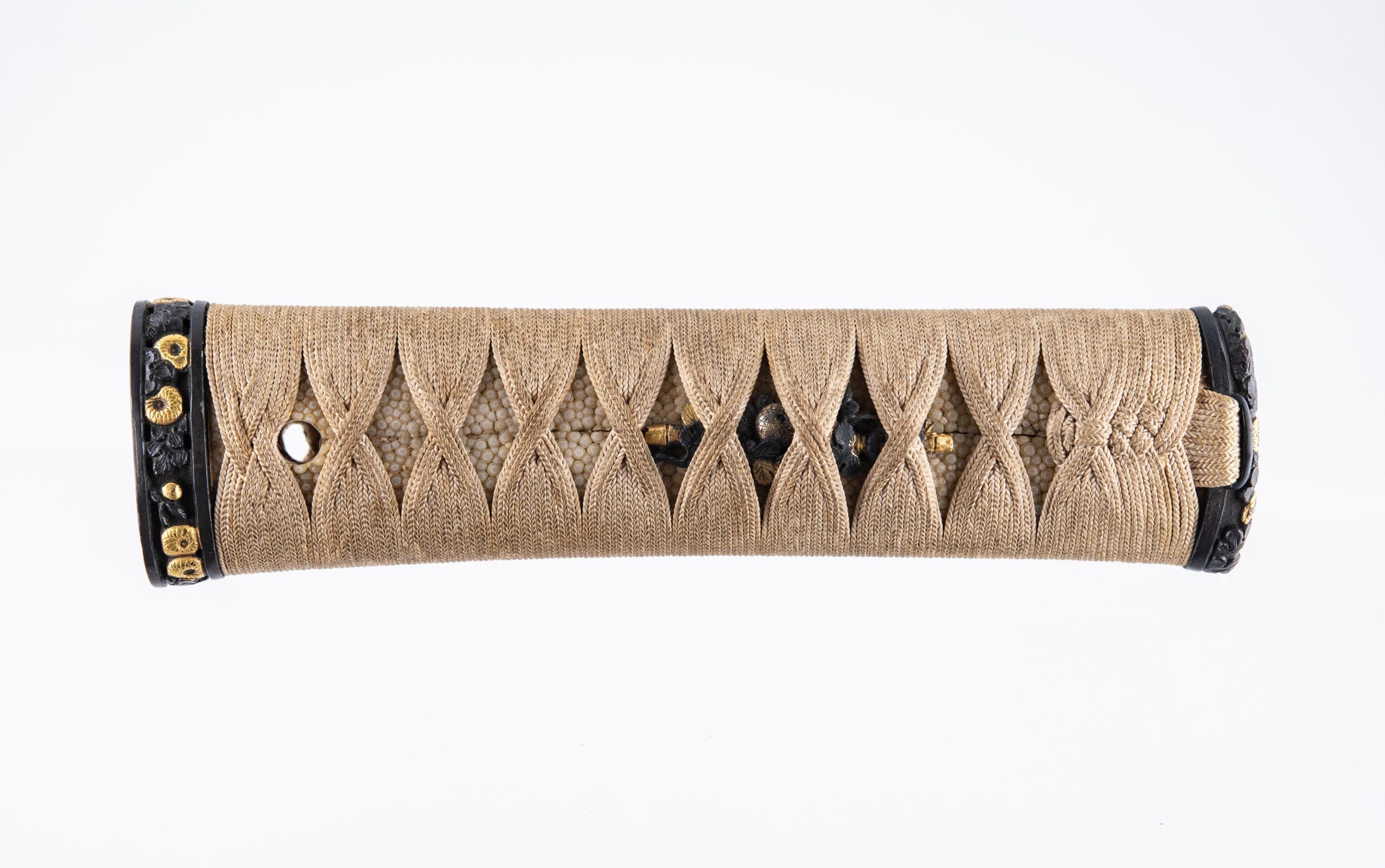
The Wakizashi comes with a newly made Shirasaya and a matching Koshirae. The saya has a black lacquer finish, while the tsuka has a light-colored cord wrapping. The fuchigashira and menuki carry floral designs, possibly chrysanthemums (kiku) in Mino aesthetics. A Higo Tsuba with attractive patina features a nage-giri motif.
The Koshirae also includes a Kozuka in polished shakudo, decorated with a butterfly family crest (mon).
Signature and Certification
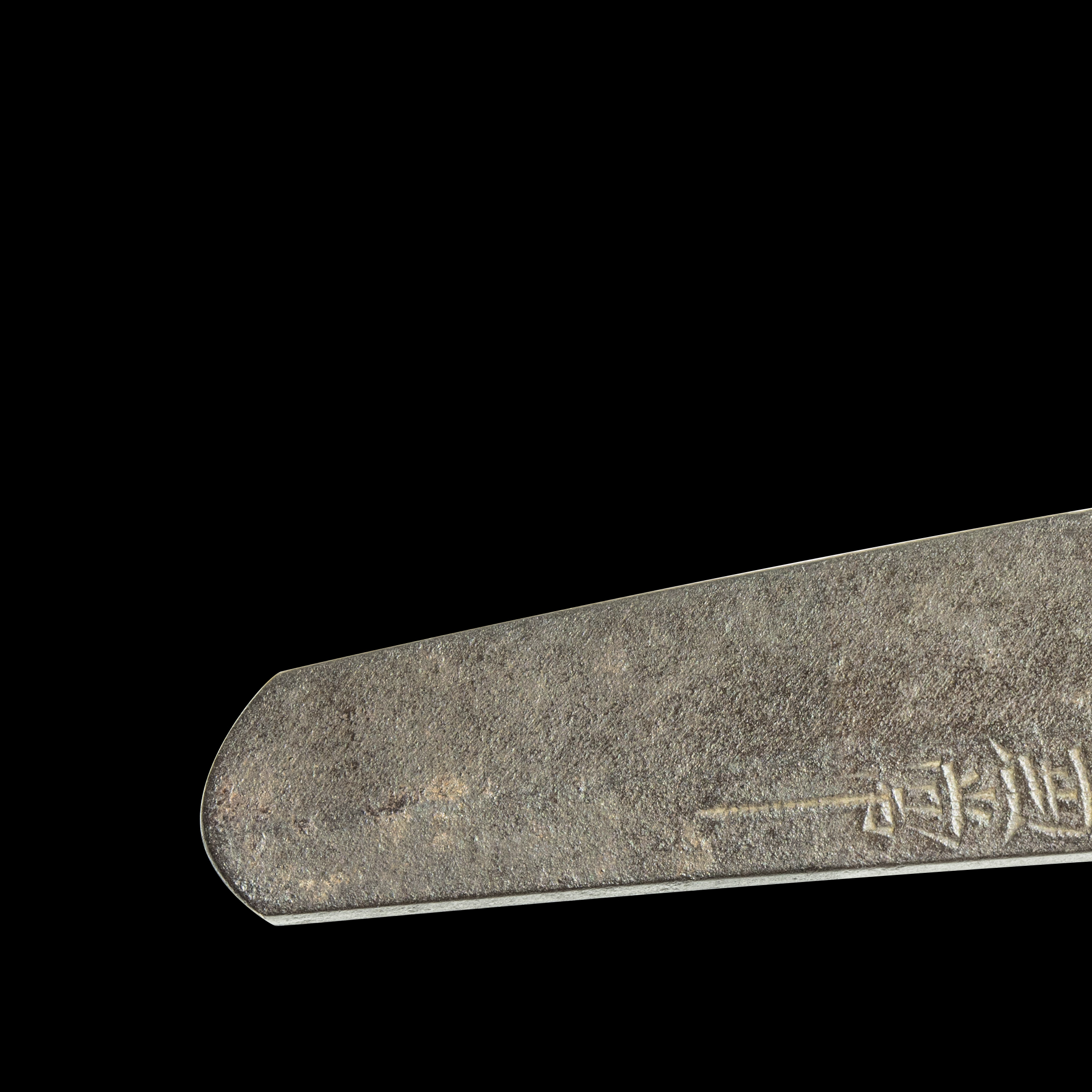
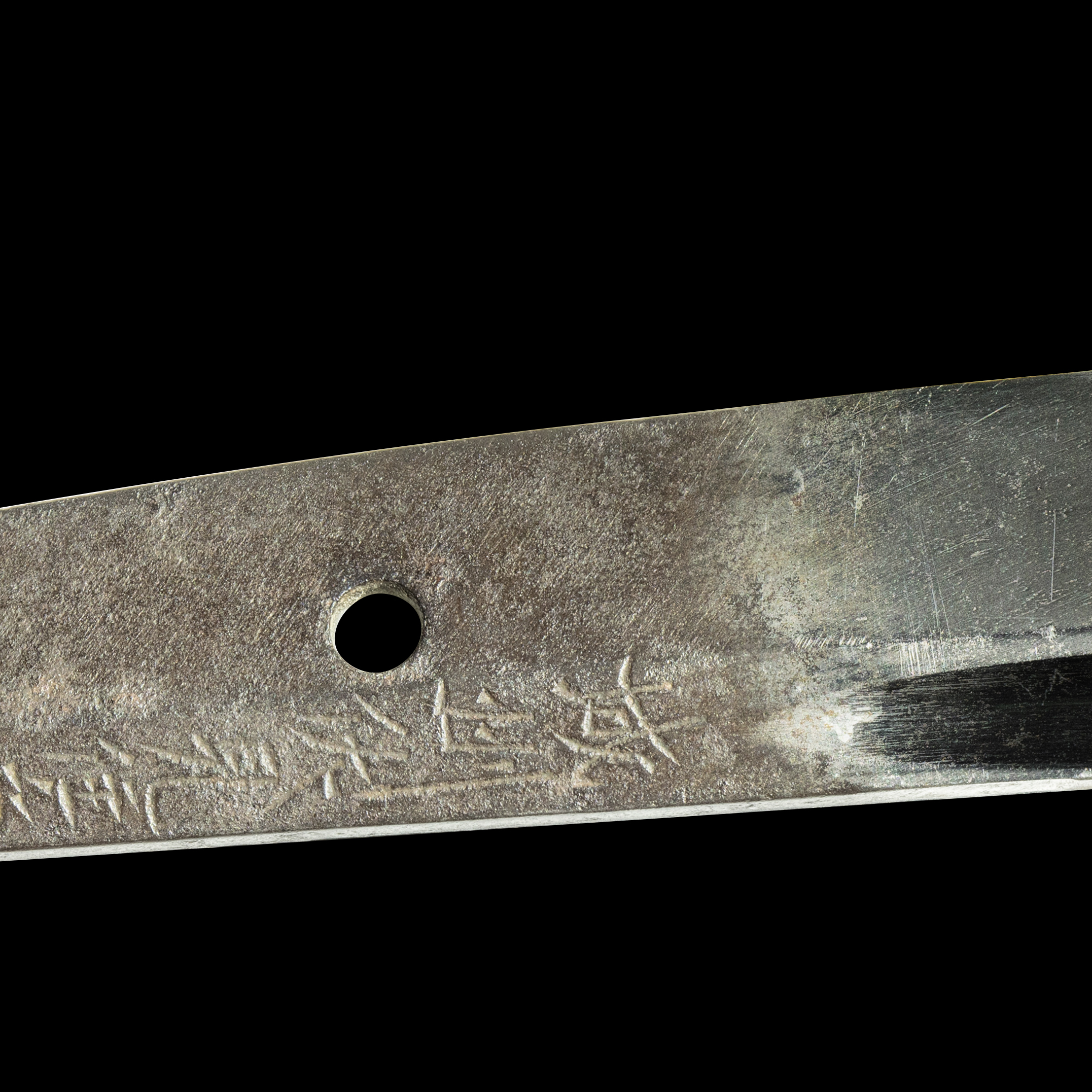
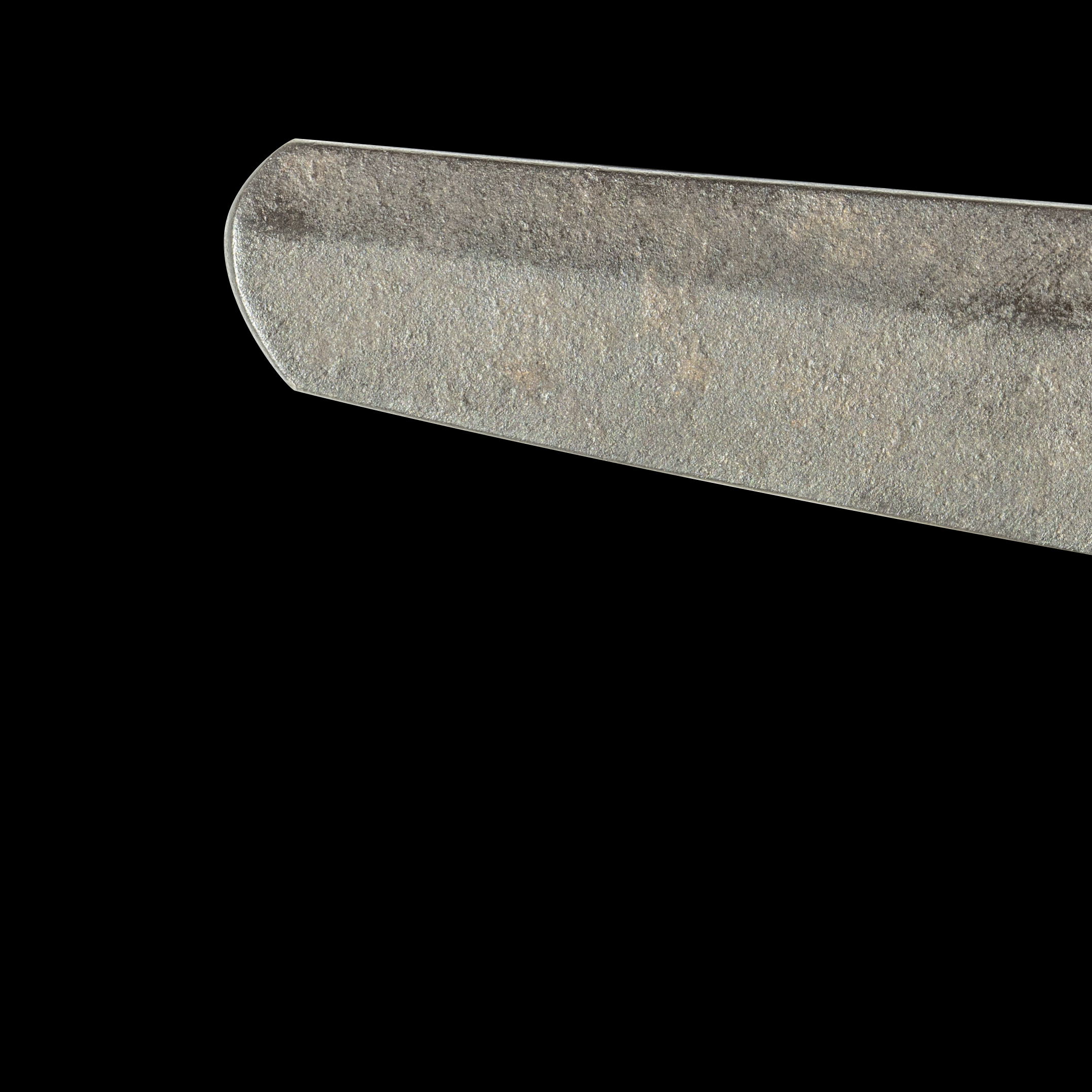
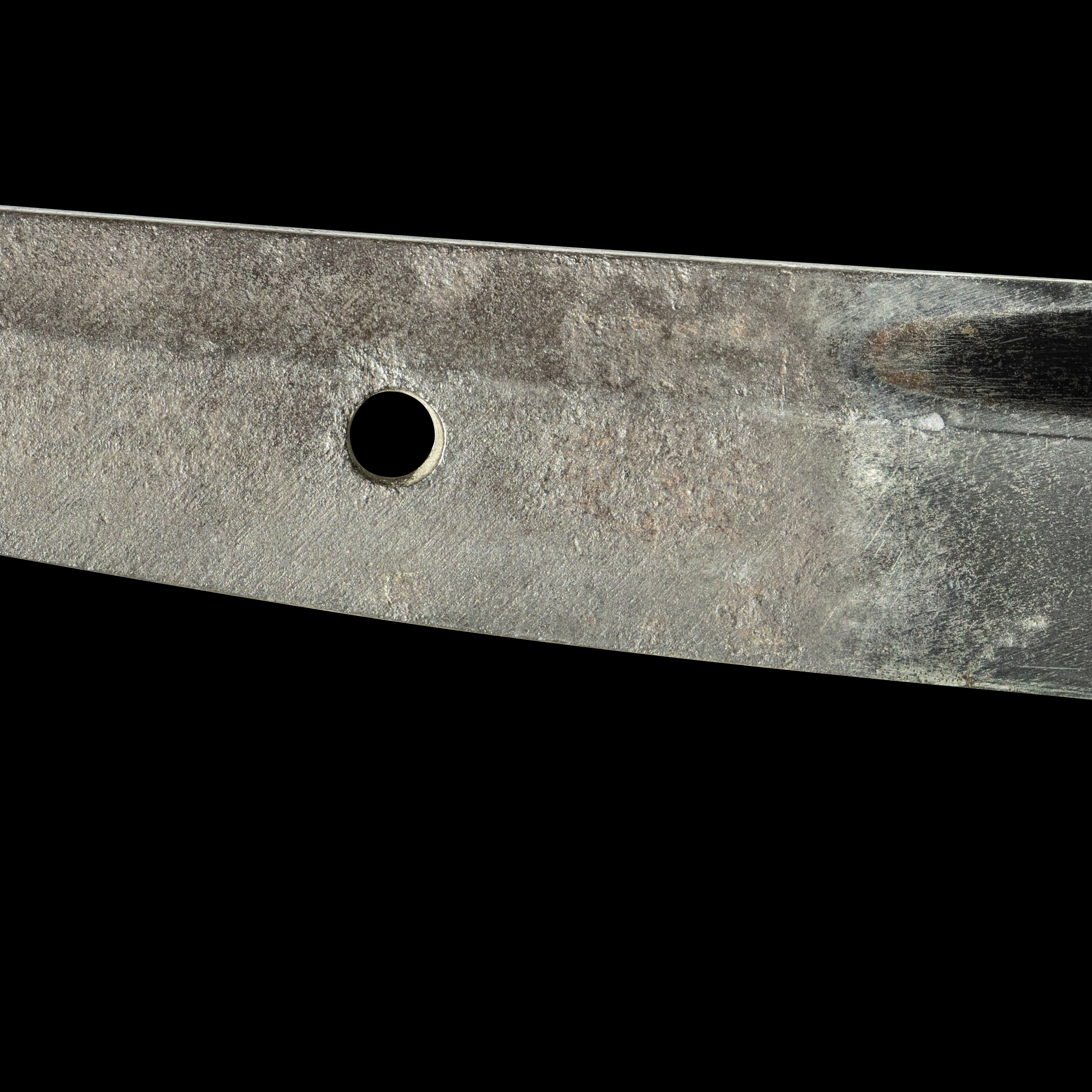
The omote is signed Joshu-ju Fushimi-ju Kanetsune (城州伏見住兼常). An NBTHK Hozon certificate accompanies the blade and supports the authenticity of the signature.
Kanetsune (兼常) – Early Shintō Period, Yamashiro Province
Kanetsune was a Japanese swordsmith active during the Keichō era (1596–1615). Originally from Mino Province, he later established himself in Fushimi, Yamashiro Province (present-day Kyoto).
The blade bears the signature Jōshū Fushimi-jū Kanetsune (城州伏見住兼常), identifying the smith as a resident of Fushimi. Kanetsune is associated with the Mino swordmaking tradition and represents the transition from late Kotō to early Shintō sword production.
Measurements
Nagasa: 405 mm / 15.94 in
Sori: 8 mm / 0.31 in
Motohaba: 31.6 mm / 1.24 in
Sakihaba: 29 mm / 1.14 in
Kissaki length: 93 mm / 3.66 in
城州伏見住兼常 脇差
表に「城州伏見住兼常」と銘のある脇差で、銘の正真を認めるNBTHK保存刀剣鑑定書が付属します。造込は鎬造で、非常に長い大切先を備え、脇差ながら力強い姿を示します。
地鉄と刃文
刃文は落ち着いた直刃で沸出来。刃縁には細かな沸が認められます。地鉄は板目肌を主体とし、流れ肌が交じり、一部には綾杉肌を思わせる変化が見られます。鎺は銀無垢製です。
白鞘と拵
新調された白鞘と拵が付属します。鞘は黒漆塗、柄には明るい色の糸巻を施しています。縁頭と目貫は花文様で、菊の可能性があります。美しい古色を呈する肥後風の鍔には薙切の意匠が見られます。
拵には蝶紋を施した磨地の赤銅小柄も収められています。
銘と鑑定
表銘:城州伏見住兼常
鑑定書:NBTHK 保存刀剣
兼常(かねつね)― 新刀初期・山城国
兼常は、慶長年間(1596~1615年)に活躍した日本刀の刀工です。もともとは美濃国の出身で、後に山城国伏見(現在の京都市)に移り住み、作刀活動を行いました。
本刀には「城州伏見住兼常」と銘が切られており、刀工が伏見に居住していたことを示しています。兼常は美濃伝の系統に属する刀工であり、古刀末期から新刀初期への移行期を代表する刀工の一人です。
寸法
刃長:405 mm / 15.94 in
反り:8 mm / 0.31 in
元幅:31.6 mm / 1.24 in
先幅:29 mm / 1.14 in
切先長:93 mm / 3.66 in