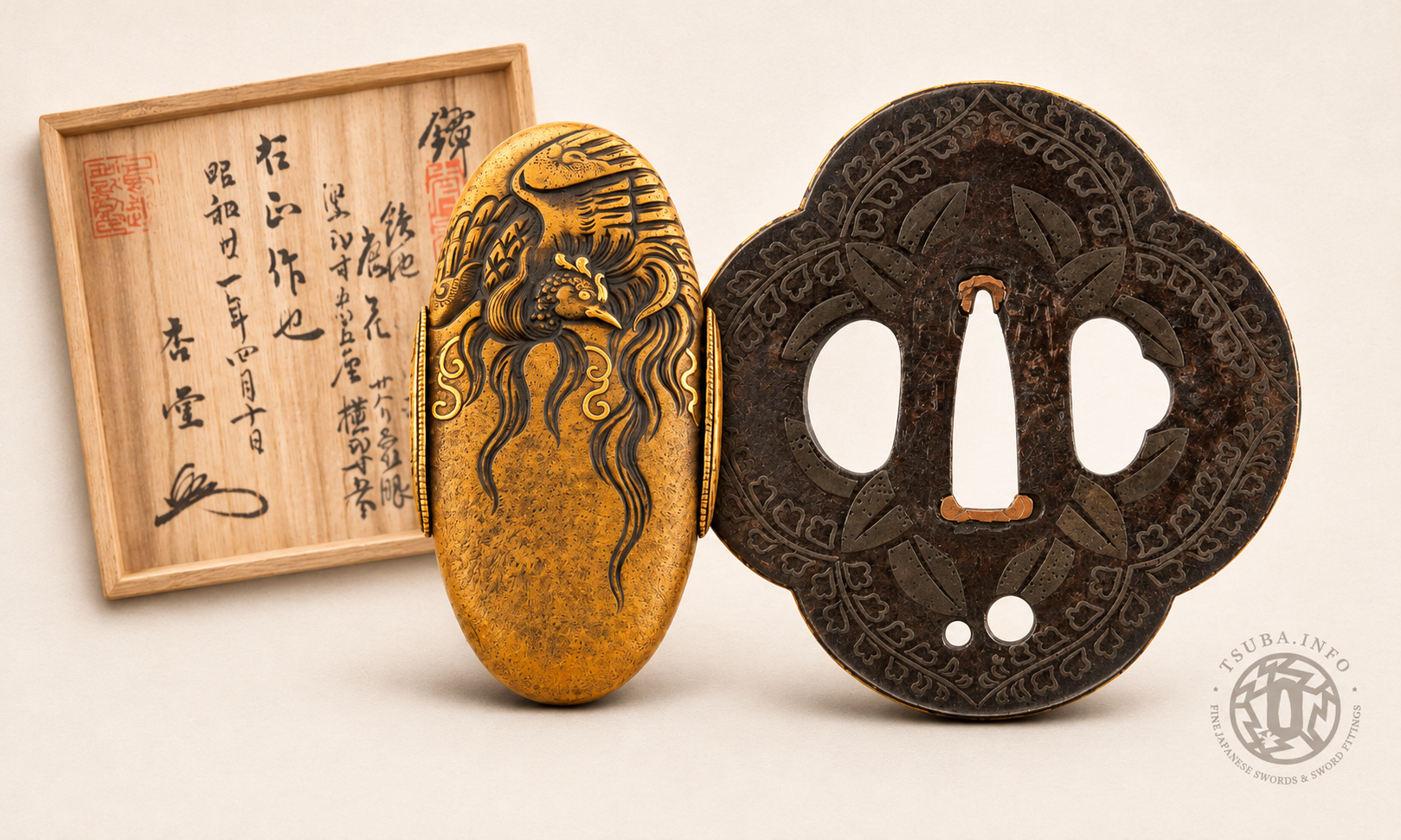
Geographical Timeline of Tōsōgu Schools
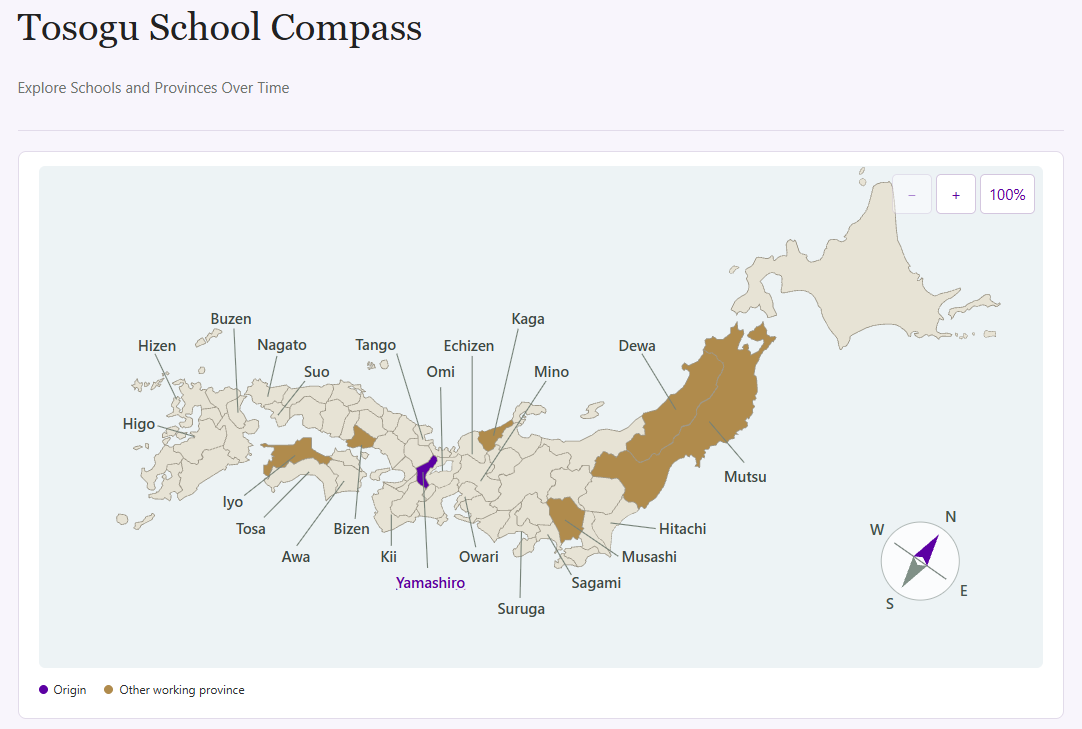
The history of Japanese sword fittings is closely connected to the regional schools and artistic traditions that developed throughout Japan.
Our Tosogu Compass allows you to explore the historical development of these schools, their geographical origins, and their periods of activity.
This resource provides a visual introduction to the evolution of Japanese sword-fitting craftsmanship and helps collectors understand the historical relationships between different regions and artistic traditions.
Explore the Tosogu Compass:
https://tsuba.info/geographical-timeline-of-tosogu-schools/
Japanese Historical Periods & Nengō
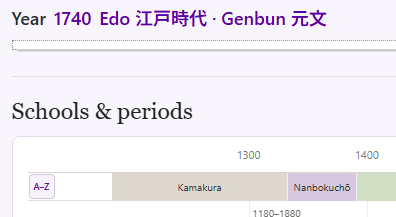
Dating Japanese swords and sword fittings often requires an understanding of the traditional Japanese calendar and its historical era names, known as Nengō (年号).
Unlike the Western calendar, Japanese historical dates frequently refer to an era associated with an imperial reign. These era names are commonly encountered in sword inscriptions, historical documents, and scholarly references.
Our Japanese Nengō reference provides a chronological overview of Japanese historical periods and era names, helping collectors and researchers connect traditional Japanese dates with the Western calendar.
View Japanese Historical Periods & Nengō:
https://tsuba.info/japanese-nengos/
Making a Kozuka Dai – Traditional Display & Storage
Proper presentation and storage are important aspects of collecting Japanese sword fittings.
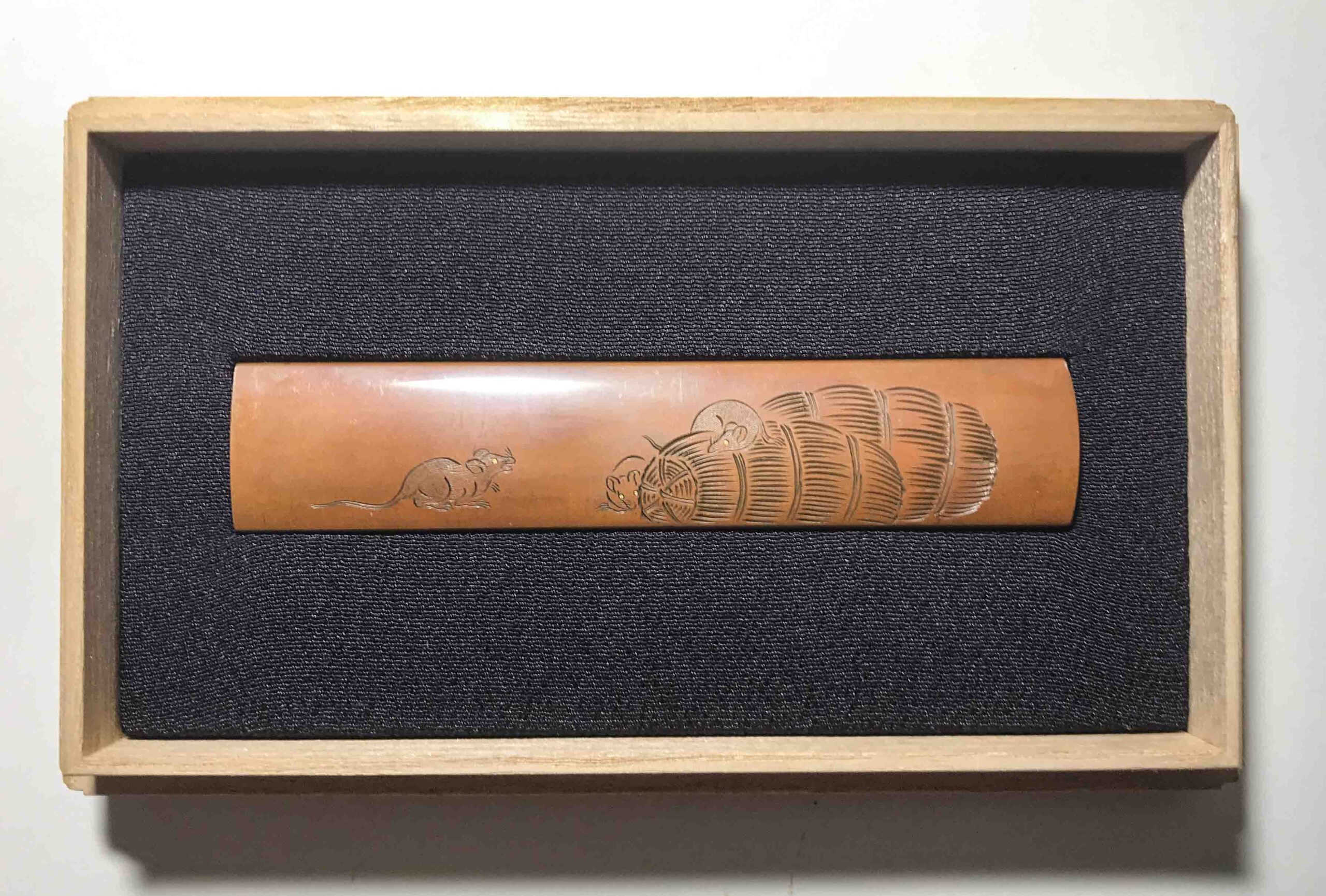
A Dai is a fitted insert traditionally used inside a wooden presentation box to support and display an individual sword fitting. Such inserts are frequently covered in Japanese silk and carefully shaped to accommodate the object.
In our illustrated Making a Kozuka Dai guide, we explain the materials, preparation, and techniques involved in creating a custom-made display insert for an antique Kozuka.
The article offers practical advice on working with silk, acid-free materials, and wooden boxes, making it especially useful for collectors interested in the traditional presentation and preservation of Japanese sword fittings.
Read the Kozuka Dai Making Guide:
https://tsuba.info/making-a-kozuka-dai/
Frequently Asked Questions About Japanese Sword Fittings
Collecting antique Japanese sword fittings raises many questions, particularly for those who are beginning to explore the field.
How can you identify an authentic Japanese Tsuba? What determines the value of an antique sword guard? What is the significance of NBTHK certificates, and what should collectors consider before purchasing Japanese sword fittings?
Our Frequently Asked Questions section addresses these and other common topics, providing useful information on authenticity, collecting, certification, and the Japanese sword-fitting market.
Whether you are purchasing your first Tsuba or expanding an established collection, this section offers a helpful starting point.
Read the Japanese Sword Fittings FAQ:
https://tsuba.info/faq/
Discover More About Japanese Sword Fittings
The study of Tōsōgu combines Japanese history, artistic appreciation, traditional craftsmanship, and connoisseurship. Understanding the historical background of a school, the techniques of an individual craftsman, and the characteristics of genuine antique works adds considerable depth to collecting.
Tsuba.info is dedicated to sharing knowledge about Japanese sword fittings while offering collectors access to carefully selected antique works from Japan.
Explore our Tōsōgu Schools section or browse our available Japanese sword fittings to discover more.